
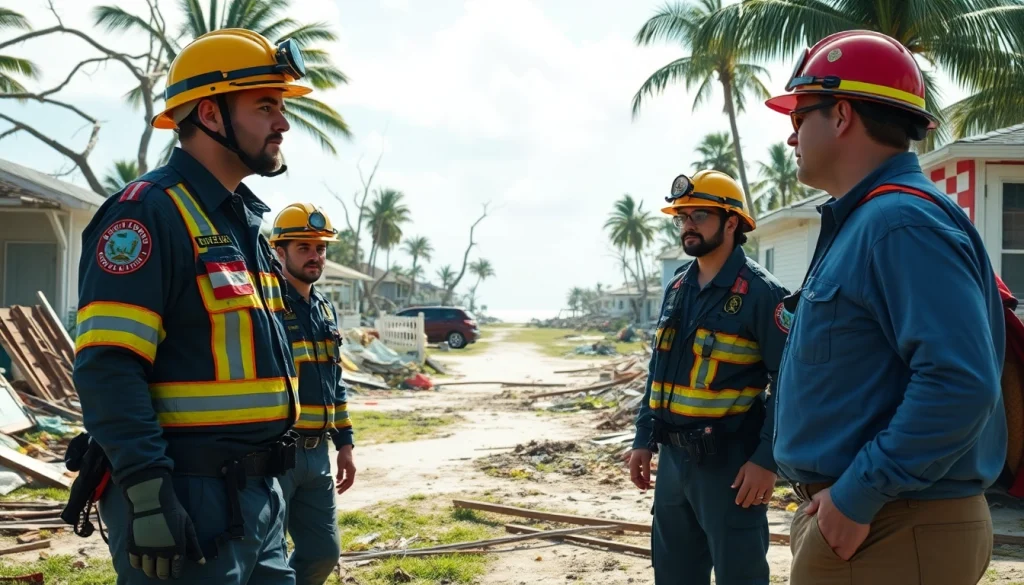
Understanding the Impact of Florida Hurricane Damage
Florida is no stranger to hurricanes and the devastating damage they can inflict on homes, infrastructure, and communities. As one of the most hurricane-prone states in the U.S., understanding the nature of Florida Hurricane Damage is vital for residents and policymakers alike. This article delves into the types of damage caused by hurricanes, impacts on local communities, historical trends, as well as the critical steps for assessment, restoration, insurance considerations, and preparation for future storms.
Types of Damage Caused by Hurricanes
Hurricanes can unleash a barrage of destructive forces, and the type of damage often depends on the storm’s strength, path, and the area it hits. Here are some key types of damage associated with hurricanes:
- Wind Damage: High winds can uproot trees, tear off roofs, and collapse structures. Wind damage is often one of the most visible signs of a hurricane’s impact.
- Flood Damage: Heavy rainfall and storm surges can lead to significant flooding, affecting homes, businesses, and roadways, often leaving lasting impacts on communities.
- Storm Surge Damage: The rise in sea level caused by a storm can inundate coastal areas, leading to catastrophic property loss and long-term ecological damage.
- Debris Damage: Flying debris can cause significant damage to properties, as well as injury to individuals caught in the storm’s path.
- Infrastructure Damage: Hurricanes often disrupt essential infrastructure, including power lines, water supply, and transportation networks—jeopardizing public safety and recovery efforts.
Magnitude of Impact on Communities
The repercussions of hurricane damage go far beyond the immediate aftermath. Communities often face long-term challenges that can impede recovery and growth:
- Economic Impact: Dependable local economies are devastated by hurricane damage. Losses in the tourism sector, decreased property values, and business closures can take years to recover from.
- Psychosocial Impact: Residents may experience mental health issues as a result of trauma and loss. Stress and anxiety can linger in the aftermath of such events, affecting community cohesion.
- Environmental Impact: Natural habitats are often compromised by floodwaters, storm surges, and debris. Recovery of these ecosystems can take years, impacting biodiversity and local tourism.
Historical Trends in Florida Hurricane Damage
To understand the future of Florida’s hurricane damage, it’s essential to examine historical trends:
- The frequency of hurricanes has increased significantly since the 1990s, raising concerns about climate change.
- Catastrophic hurricanes, like Hurricane Andrew in 1992 and Hurricane Irma in 2017, have led to billions in damages, influencing changes in building codes and emergency response plans.
- As coastal populations grow, the potential for hurricane impact increases, necessitating better preparedness and infrastructure to withstand these storms.
Assessment and Documentation of Hurricane Damage
Proper assessment and documentation of hurricane damage are critical for recovery and rebuilding efforts. Here’s how homeowners and communities can ensure an accurate evaluation of the storm’s effects.
Steps for Accurate Damage Assessment
Conducting an accurate assessment of hurricane damage involves a series of practical steps:
- Safety First: Ensure that the area is safe to enter before starting the assessment. Look out for downed power lines and other hazards that may pose risks.
- Document Everything: Use digital tools, like smartphones or tablets, to take photos and videos of all damage. This documentation is crucial for insurance claims.
- Measure Damage: Note the extent of damage in specific areas, including structural, electrical, and plumbing issues.
- Engage Professionals: When possible, work with professionals for comprehensive assessments to properly gauge repair needs and costs.
Importance of Documenting Damage for Insurance Claims
Thorough documentation not only aids in understanding the extent of damage but is also essential for filing insurance claims:
- Insurance companies require detailed proof of damage to process claims effectively. Without documentation, claims may be delayed or denied.
- Evidence of damage enhances the credibility of claims, helping homeowners secure the necessary funds for repairs.
Utilizing Technology for Damage Evaluation
In today’s digital age, technology plays a vital role in assessing hurricane damage efficiently:
- Drone Technology: Drones equipped with cameras can assess damage from an aerial perspective, generating high-resolution images to present to insurance adjusters.
- Mobile Applications: Specialized apps allow homeowners to document damage systematically, making the claim filing process more straightforward.
- GIS Mapping: Geographic Information Systems can help visualize data and analyze damage, which aids in community planning following a disaster.
Restoration and Recovery Efforts Post-Hurricane
Once the immediate danger has passed, communities need to focus on restoration and recovery. Here are the steps to consider:
Best Practices for Homeowners
Homeowners must take proactive steps to safeguard their property and expedite recovery:
- Secure Contractors: Engage reputable contractors and builders to ensure repairs meet local codes and standards.
- Prioritize Repairs: Focus on stabilizing the home first—roof repairs, water removal, and securing the property.
- Understand Building Codes: Familiarize yourself with local building codes to ensure renovations comply and enhance the home’s resistance to future hurricanes.
Community Resources and Support Services
Communities offer various resources to assist residents affected by hurricanes:
- Local governments and non-profits often provide monetary assistance programs to help with immediate needs, like housing and food.
- Support groups and mental health services can provide counseling and emotional support to residents impacted by the trauma of hurricanes.
Long-Term Recovery Planning
Long-term recovery planning is essential for rebuilding resilient communities:
- Structured recovery plans should include risk assessments to identify vulnerabilities and enhance preparedness for future storms.
- Civic engagement through community meetings ensures residents have a voice in recovery initiatives, fostering stronger local relationships.
Insurance Considerations for Florida Hurricane Damage
Navigating insurance can be daunting, especially following a disaster. Here are key considerations for homeowners:
Types of Insurance Coverage Available
Understanding the insurance landscape for hurricane damage is crucial for adequate protection:
- Homeowners Insurance: Covers structural damage to your home, often with specific exclusions for flooding.
- Flood Insurance: Essential in Florida, given the prevalence of flooding. This type of insurance is generally offered separately from standard homeowners insurance.
- Windstorm Insurance: Some properties require additional coverage for wind and hail damage, typically available in coastal areas at higher premiums.
Common Exclusions and Limitations
Being aware of common exclusions can save homeowners from unexpected out-of-pocket expenses:
- Flood damage is often not covered by standard homeowners policies. Separate flood insurance is typically required.
- Damage due to lack of maintenance or negligence may not be compensated by insurance providers.
Filing Claims Effectively
To ensure a smooth claims process, homeowners should follow best practices when filing:
- Contact Your Insurer Promptly: Time-sensitive claims must be reported quickly to avoid complications.
- Keep Records: Maintain detailed records of all communications with your insurance company, including names and dates.
- Utilize Your Documentation: Submit photographs, repair estimates, and any other documentation that supports your claim.
Preparing for Future Hurricanes
Preparation is key to minimizing future hurricane damage. Here are proactive measures homeowners can adopt:
Proactive Measures to Minimize Damage
Effective strategies for minimizing damage include:
- Investing in Reinforced Structures: Utilizing hurricane-proof materials and construction techniques can significantly reduce potential damage.
- Maintaining Landscapes: Regular tree trimming and removal of debris can prevent wind-borne projectiles during storms.
Creating an Emergency Plan
An emergency plan can greatly enhance safety and preparedness when storms threaten:
- Develop evacuation routes and ensure all family members are familiar with them.
- Designate a safe room within the home for sheltering during storms.
Investing in Hurricane-Resilient Infrastructure
Government and community investments in infrastructure can mitigate hurricane impacts:
- Improved drainage systems can help reduce flooding risks significantly.
- Upgrading electrical systems ensures power resilience during outages caused by hurricanes.
In conclusion, understanding Florida Hurricane Damage entails not only knowledge of the immediate impacts but also comprehensive strategies for insurance, recovery, and future preparedness. Through informed action and proactive measures, Florida residents can better withstand the relentless forces of nature.