
 By admin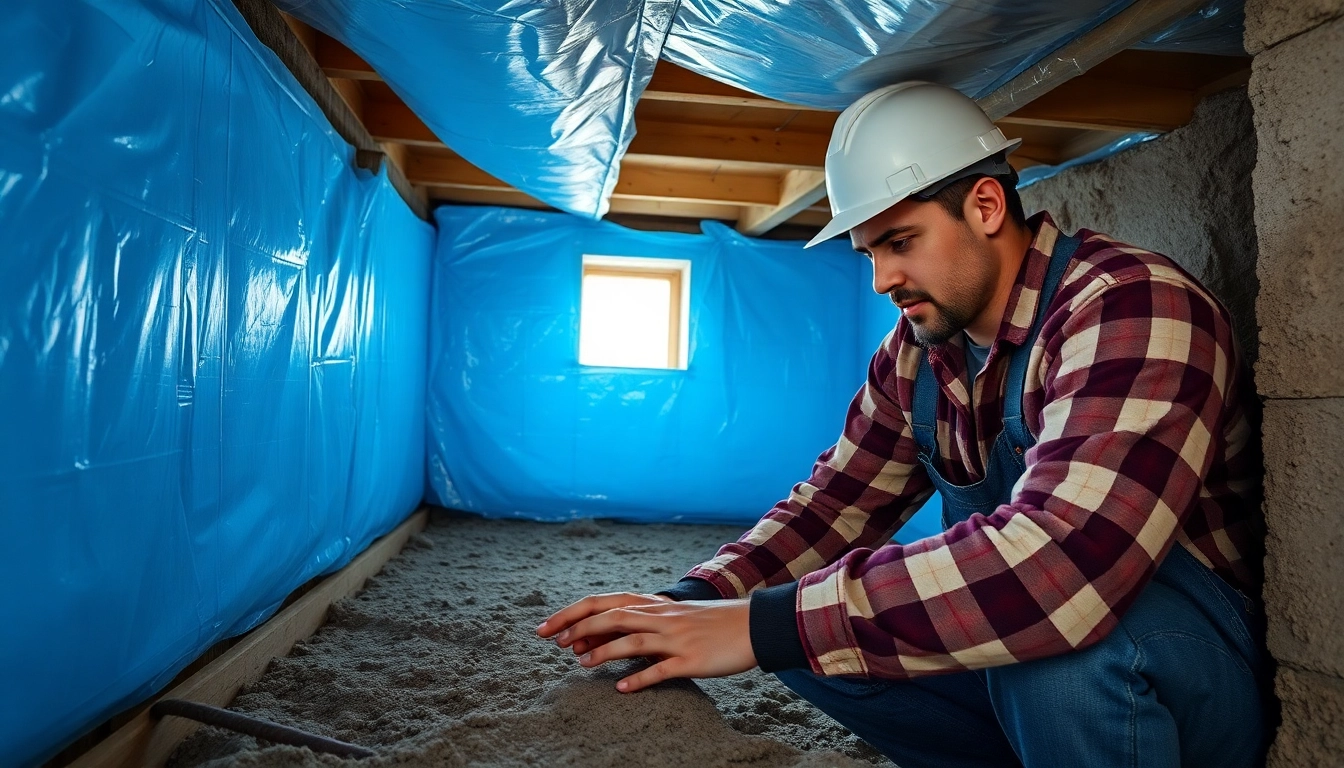
Understanding Vapor Barrier Installation
In the realm of home improvement, one often-overlooked element is the vapor barrier. A proper understanding of vapor barrier installation can significantly enhance your home’s moisture control and energy efficiency. This guide will explore the ins and outs of Vapor Barrier Installation, ensuring that you have all the necessary information to make informed decisions for your home.
What is a Vapor Barrier?
A vapor barrier is a material that resists the diffusion of moisture through walls, ceilings, and floors. It creates a barrier that prevents moisture from penetrating your home’s structures, which can lead to mold growth, wood rot, and a decrease in the overall integrity of your property. Typically made from materials like polyethylene or foil, vapor barriers can be installed in basements, crawl spaces, and even on walls in certain climates.
Importance of Installing Vapor Barriers
The importance of vapor barrier installation cannot be overstated. Here are a few reasons why vapor barriers are critical:
- Moisture Control: They prevent excess moisture from entering your home, protecting against mold and mildew.
- Energy Efficiency: By minimizing moisture intrusion, vapor barriers help maintain your home’s temperature, thus reducing heating and cooling costs.
- Structural Integrity: They protect foundational structures from damage caused by excessive moisture.
Common Myths about Vapor Barrier Installation
Despite their importance, several myths pervade the topic of vapor barriers. Here are a few common misconceptions:
- Myth 1: All homes need vapor barriers.
The truth is that the necessity for vapor barriers depends on your climate and home’s design. - Myth 2: More vapor barriers are always better.
Overlapping or excessively layered barriers can trap moisture instead of preventing it. - Myth 3: Vapor barriers are only for basements.
While basements are a common location, vapor barriers can be beneficial in various parts of a home.
Materials Used in Vapor Barrier Installation
Types of Vapor Barrier Materials
The choice of materials is crucial for effective vapor barrier installation. Common types include:
- Polyethylene: One of the most common materials due to its effectiveness and affordability.
- Foil: A reflective layer that not only acts as a vapor barrier but also reflects heat, making it energy efficient.
- Sprayed-on Vapor Barriers: Modern technology allows for sprays that form a seamless barrier, ideal for irregular spaces.
Choosing the Right Thickness and Quality
The thickness of the vapor barrier is essential for its effectiveness. Standard thicknesses range from 6 mils to 20 mils. A thicker barrier is generally more durable but may be harder to work with in some scenarios. Consider the following factors when choosing:
- Location: Higher moisture areas require thicker barriers.
- Usage: Residential areas may suffice with thinner barriers, whereas industrial applications may need thicker options.
Environmental Considerations in Material Selection
While effectiveness is critical, consider the environmental impact of your chosen materials. Opt for non-toxic, recycled materials when possible. Certain products also offer advantages such as lowering carbon footprints or utilizing sustainable manufacturing practices. Always seek materials that will not off-gas harmful substances into your indoor air.
Step-by-Step Guide to Vapor Barrier Installation
Preparation and Site Assessment
Before installing a vapor barrier, assess the site. You should check for:
- Moisture Level: Use moisture meters to understand the baseline levels.
- Current Conditions: Repair any existing leaks or water intrusion issues before proceeding.
Installation Techniques
Follow these steps for effective vapor barrier installation:
- Clean the Area: Clear out debris, sharp objects, or anything that might puncture the barrier.
- Measure and Cut: Cut the barrier material adequately to cover the area without gaps.
- Install: Lay the vapor barrier flat on the ground overlapping seams by at least 12 inches and seal with tape.
- Secure: Use weighted material or tape to hold down the edges and seams. Ensure there are no punctures or tears.
Common Mistakes to Avoid During Installation
Avoid the following common pitfalls:
- Ignoring Existing Issues: Don’t place a barrier over moisture. Fix leaks first.
- Neglecting Seam Sealing: Leaving seams unsealed can trap moisture.
- Choosing Improper Materials: Always select appropriate materials for the specific environment.
Maintenance and Upkeep After Vapor Barrier Installation
Regular Inspections for Damage
Post-installation, regular inspections are essential to ensure effectiveness. Every 6 to 12 months, check for:
- Punctures or tears in the material.
- Signs of moisture or mold near the edges.
- Damaged seams that need resealing.
Updating Materials for Optimal Performance
As homes settle and conditions change, it’s wise to update materials every few years, especially if you notice wear or damage. Using higher quality, durable barriers may extend the need for updates.
Signs You Need to Reassess Your Installation
If you observe any of the following, it’s time to reassess your vapor barrier:
- Increased humidity levels in living areas.
- Visible mold growth in or around the barrier.
- Musty odors emanating from crawl spaces or basements.
Frequently Asked Questions About Vapor Barrier Installation
How do I know when to install a vapor barrier?
If you live in a humid climate or have issues with moisture in your basement or crawl space, a vapor barrier may be necessary.
What are the benefits of having a vapor barrier?
Vapor barriers control moisture, improve energy efficiency, and protect your home from mold and structural damage.
Can I install a vapor barrier myself?
Yes, with the right tools and preparation, homeowners can effectively install vapor barriers using available guides.
How long does a vapor barrier last?
A properly installed vapor barrier can last several years, but factors like the environment and quality of materials affect longevity.
Is it necessary to install a vapor barrier in all climates?
No, the necessity depends entirely on your local climate. Humid areas are more likely to require barriers compared to dry regions.