Introduction to Orleans Cape Architecture
Architecture is not merely about constructing buildings; it is a harmonious interplay between design, environment, and community. Orleans Cape exemplifies this philosophy through its thoughtful coastal design that respects its surroundings while providing an aesthetically pleasing and functional living space. Understanding the architectural principles that underpin its design is crucial for appreciating how such projects can enhance coastal living.
Understanding Coastal Architectural Principles
Coastal architecture is characterized by its adaptive designs that respond to unique environmental challenges and opportunities. This includes factors such as wind, salt spray, and rising sea levels. Successful coastal architecture incorporates both aesthetics and durability, ensuring structures can withstand harsh weather while providing comfort and utility to residents.
Key principles include:
- Site-specific Design: Every site is unique in terms of geography, climate, and views. Orleans Cape capitalizes on its coastal location, maximizing views of the ocean while ensuring that the layout considers prevailing winds.
- Material Selection: Materials used in coastal architecture must be resistant to rot and corrosion. The choice of materials affects not only the building’s longevity but also its integration into the landscape.
- Sustainability: Many coastal projects, including Orleans Cape, prioritize sustainable practices, ensuring minimal environmental impact while promoting energy efficiency.
Overview of Unique Design Features
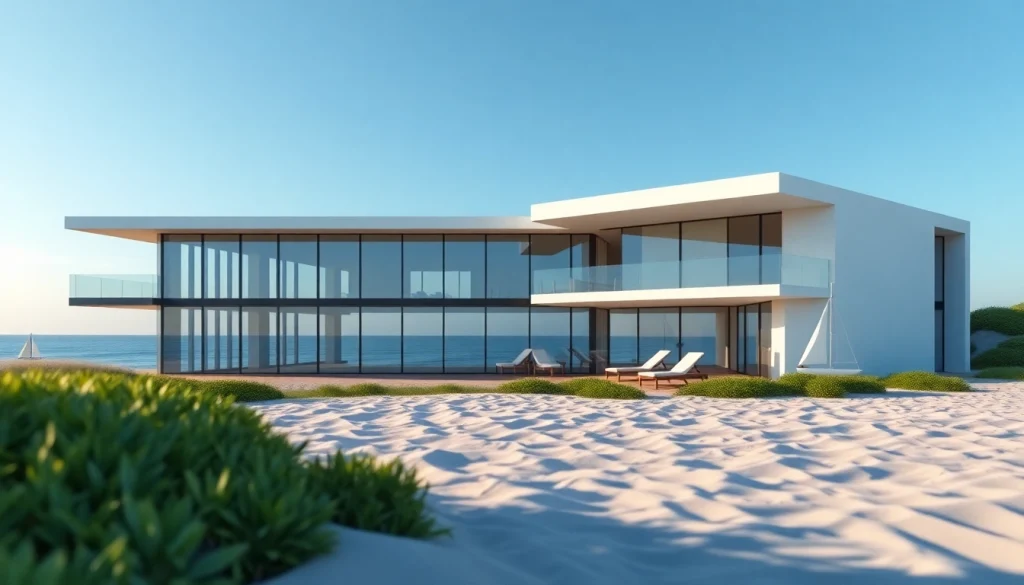
The architectural design of Orleans Cape is marked by features that echo the beauty of its coastal surroundings. Open floor plans promote airflow and natural light, creating a seamless connection with the outdoor environment. Large windows offer expansive views of the shoreline and surrounding landscapes, emphasizing the project’s commitment to visual harmony between structure and nature.
Additional unique design elements include:
- Floating Rooflines: These designs help to reduce the visual mass of the buildings and allow ample light to filter in.
- Outdoor Living Spaces: Patios, terraces, and decks are seamlessly integrated, providing vibrant spaces for entertaining while enjoying the natural backdrop.
- Landscaping: Native plants and natural materials are utilized in landscaping to promote biodiversity and reduce water usage.
The Community and Environment
One of the most significant aspects of Orleans Cape is its community-oriented design. The architecture not only serves individual homeowners but also fosters social interaction and cohesion among residents. Common areas encourage gatherings while preserving a sense of privacy in residential areas.
Moreover, an environmental approach is critical. Structures are designed to minimally impact the surrounding ecosystems. By preserving local flora and fauna, Orleans Cape enhances the natural habitat, promoting a harmonious integration of architecture and environment.
Design Inspirations at Orleans Cape
Blending Nature and Structure
The design of Orleans Cape is deeply influenced by its natural surroundings. The integration of indoor and outdoor spaces fosters a living experience that embraces the natural landscape. Architects at Orleans Cape leverage natural elements, such as wood and stone, which not only provide structural integrity but also foster a connection between inhabitants and their environment.
This engagement with the natural landscape means that shades, textures, and local building traditions heavily influence aesthetics. The differentiation of spaces ensures that both communal areas and private homes reflect the beauty inherent in the coastal surroundings.
Influence of Local Climate on Design
The coastal climate plays a vital role in defining the architectural design of Orleans Cape. With humid summers and temperate winters, the building designs prioritize ventilation and insulation. The use of overhangs protects against summer heat while allowing sunlight during colder months. This climatic adaptation enhances comfort and energy efficiency.
More specifically, roofs are angled to facilitate rainwater runoff and prevent water pooling, reducing maintenance needs while promoting longevity. Each structural element is carefully considered in relation to both the microclimate of the site and the macroclimate of the coastal environment.
Color Schemes and Materials Used
Color schemes in Orleans Cape draw inspiration from the tranquil hues of the coastal environment. Soft blues, sandy beiges, and muted greens are common, reinforcing a sense of calmness and relaxation. Such palettes not only blend with the surrounding landscape but also promote mental well-being.
In addition to color, materials play a fundamental role. The selection often includes:
- Locally sourced timber, fostering sustainability through proximity and reduced transportation emissions.
- Durable coatings on exteriors that provide protection against salt spray while maintaining aesthetics.
- Natural stone for foundations that provides stability while connecting buildings to the earth.
Challenges in Building at Orleans Cape
Addressing Environmental Concerns
Building in a coastal area like Orleans Cape inherently comes with environmental challenges. These include the risk of flooding, erosion, and the effects of climate change. Addressing these concerns involves strategic planning and innovative engineering that focuses on resilience.
Designers and builders work closely with environmental scientists to implement solutions like elevated structures, permeable pavements, and natural buffer zones that safeguard against flooding and erosion. Each project undergoes thorough environmental impact assessments to ensure that development benefits both functionality and ecological health.
Adapting to Local Regulations
Local regulations regarding coastal development aim to protect both the environment and community interests. Navigating these guidelines is critical for successful project execution. Orleans Cape architects ensure compliance by engaging in collaborative processes with local authorities and stakeholders, facilitating approvals while maintaining design integrity.
It is crucial to understand zoning laws, building codes, and environmental regulations to avoid potential pitfalls and delays. This proactive approach often leads to more innovative and sustainable designs as architects adjust their visions to align with the community’s needs.
Managing Coastal Erosion Risks
Coastal areas are particularly susceptible to erosion due to rising sea levels and storm surges. Orleans Cape design strategies incorporate measures to mitigate this risk. These measures can include planting native vegetation to stabilize soil, implementing seawalls, and using designated retreat areas in future planning.
Effective coastal management requires continual monitoring and adaptation. By accounting for projected changes, innovation in design plays a critical role in ensuring the sustainability of residential and commercial spaces in Orleans Cape.
Promoting Sustainability in Orleans Cape Projects
Incorporating Eco-friendly Materials
Sustainable building practices are at the forefront of the design philosophy for Orleans Cape projects. The utilization of eco-friendly materials not only minimizes environmental impact but also promotes healthier living conditions. For instance, materials that are sustainably harvested or recycled reduce the carbon footprint of construction.
Additionally, prioritizing finishes that do not emit volatile organic compounds (VOCs) ensures a healthier indoor environment, enhancing comfort and air quality for residents.
Utilizing Renewable Energy Sources
Renewable energy sources are integral to promoting sustainability at Orleans Cape. Designs often incorporate solar panels, wind turbines, and geothermal systems to reduce reliance on non-renewable energy. Implementing these technologies allows homeowners to reduce energy bills while contributing to a greener future.
Net-zero energy homes, which produce as much energy as they consume, are becoming more prevalent in the area, showcasing the commitment to sustainability and innovation.
Innovative Water Conservation Techniques
Water conservation is particularly crucial in coastal areas where resources can be limited. Orleans Cape incorporates innovative approaches to managing water usage. Rainwater harvesting systems and greywater recycling reduce dependency on municipal water systems.
Smart irrigation techniques allow for efficient water usage in landscaping, ensuring that plantings thrive without unnecessary waste. These practices not only benefit individual homes but also contribute to the overall sustainability of the community.
Future Trends for Orleans Cape Living
Technological Advancements in Architecture
The future of architecture is set to be shaped by technological advancements, with Orleans Cape at the forefront of this change. Innovative construction techniques, such as 3D printing, are beginning to emerge in the coastal architectural landscape. These methods can significantly reduce waste and construction time while offering customization options.
Smart home technology integration is also on the rise, allowing homeowners to manage energy use, security, and lighting more conveniently. This not only enhances the living experience but also aligns with sustainability goals.
Community Engagement and Lifestyle Enhancements
Future architectural designs in Orleans Cape will likely continue to emphasize community engagement. Thoughtful communal spaces, such as parks and recreation areas, will foster interaction and connectivity among residents. These spaces can stimulate healthy lifestyles and build a sense of belonging.
Moreover, lifestyle enhancements will be driven by sustainability initiatives, prioritizing walking and biking paths that reduce the reliance on vehicles while promoting an active way of life.
Balancing Luxury with Environmental Responsibility
The challenge of balancing luxury with environmental responsibility remains paramount in Orleans Cape. High-end finishes and amenities can coexist with sustainable practices if designers are innovative in their approach. The future of coastal living could see the seamless integration of luxury design with green features, creating homes that are both decadent and eco-conscious.
FAQs about Orleans Cape
What are the primary architectural styles in Orleans Cape?
Orleans Cape features a blend of modern coastal designs, emphasizing open spaces, large windows, and natural materials that reflect the surrounding environment.
How does Orleans Cape address environmental challenges?
Orleans Cape employs strategic designs to address issues like flooding and erosion, utilizing elevated structures and natural buffers to minimize impact.
What sustainable practices are used in Orleans Cape projects?
Projects commonly incorporate eco-friendly materials, renewable energy sources, and water conservation techniques to promote sustainability and reduce footprints.
How do local regulations affect building in Orleans Cape?
Local regulations ensure that development respects environmental and community standards, guiding architects to create designs that align with these guidelines.
What are the future trends in Orleans Cape architecture?
Future trends focus on technological advancements, community engagement, and a balance between luxury and environmental responsibility, shaping a sustainable living environment.