
 By admin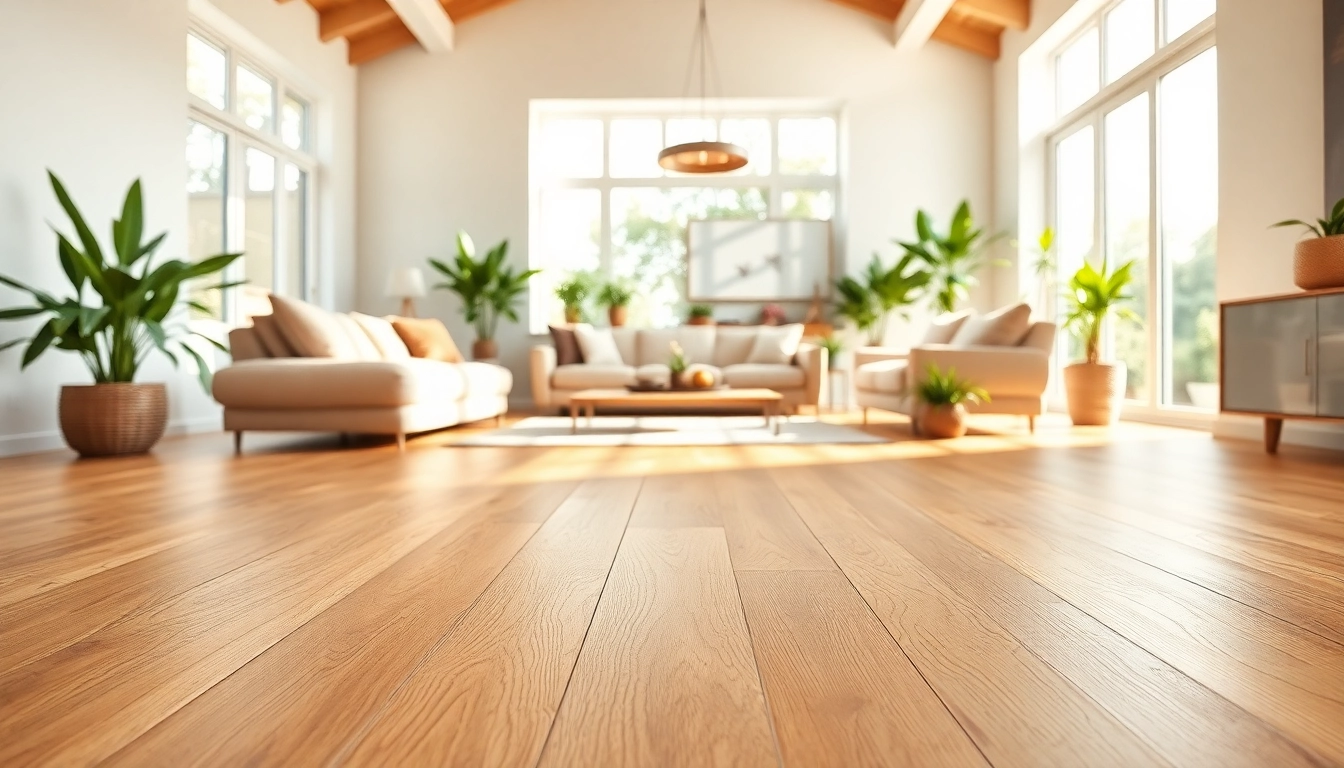
Introduction to Vinyl Flooring
When it comes to choosing a flooring option that combines style, durability, and affordability, vinyl flooring emerges as a frontrunner. This versatile material has been gaining popularity in homes and commercial spaces alike, and for good reason. In this comprehensive guide, we will explore what vinyl flooring is, its numerous benefits, types available, and essential considerations when choosing vinyl flooring for your space.
What is Vinyl Flooring?
Vinyl flooring is a synthetic flooring material composed primarily of polyvinyl chloride (PVC). It is designed to replicate the appearance of natural materials, such as hardwood, stone, or ceramic tile, providing a stylish and practical alternative. Vinyl flooring is available in various forms, including sheets, tiles, and planks, catering to different aesthetic preferences and application needs.
Benefits of Vinyl Flooring
Vinyl flooring offers a myriad of benefits that make it a highly sought-after option. These include:
- Durability: Vinyl is resistant to scratches, dents, and stains, making it ideal for high-traffic areas.
- Water Resistance: Many vinyl flooring products are waterproof, making them suitable for bathrooms, kitchens, and laundry rooms.
- Easy Maintenance: Regular sweeping and mopping are typically sufficient to keep vinyl flooring looking its best.
- Cost-Effectiveness: Vinyl flooring is often more affordable than hardwood or natural stone, offering excellent value for money.
- Comfort: Vinyl flooring provides a softer surface underfoot compared to harder materials like tile or wood.
Understanding Vinyl Flooring Types
Vinyl flooring is categorized into three main types: sheet vinyl, vinyl tiles, and luxury vinyl planks (LVP). Each type has its unique features and advantages:
- Sheet Vinyl: Large, flexible sheets of vinyl that roll out and are ideal for areas requiring a seamless surface.
- Vinyl Tiles: Individual squares that can be laid in various patterns and are easy to repair.
- Luxury Vinyl Planks: Designed to mimic hardwood and come with enhanced durability and water resistance, often featuring a click-lock installation system.
Choosing the Right Vinyl Flooring
Factors to Consider
When selecting vinyl flooring, several factors should be taken into account to ensure you make the right choice for your space:
- Room Usage: Consider the foot traffic and function of the space. For high-traffic areas, opt for thicker vinyl with an enhanced wear layer.
- Style Preference: Assess various designs and textures to find a vinyl that matches your decor.
- Moisture Levels: In moisture-prone areas, water-resistant or waterproof vinyl is ideal.
- Comfort: Some vinyl products come with cushioned backing for added comfort.
Style and Design Options
One of the major draws of vinyl flooring is its aesthetic versatility. With advancements in technology, vinyl can convincingly emulate the appearance of natural materials. Consider the following design options:
- Wood-Look Vinyl: Perfect for those who appreciate the warmth of wood but require low-maintenance alternatives.
- Stone-Look Vinyl: Ideal for creating a modern or rustic ambiance, available in various finishes and colors.
- Patterned Vinyl: Offers bold designs that can add character and uniqueness to any space.
Durability and Maintenance
Vinyl flooring is known for its longevity, particularly when properly maintained. To optimize durability, consider the following:
- Choose a vinyl product with a high wear layer thickness for added resistance to scratches and wear.
- Regularly remove dirt and debris to prevent damage and maintain appearance.
- Utilize appropriate cleaning products, avoiding harsh chemicals that may damage the vinyl.
Installation Process for Vinyl Flooring
Preparation Steps for Installation
Before installing vinyl flooring, thorough preparation is crucial to achieve optimal results:
- Clear the area of furniture and any existing flooring materials.
- Check the subfloor for irregularities and make necessary repairs.
- Ensure the subfloor is clean, dry, and level.
- Acclimate vinyl flooring planks or tiles according to manufacturer’s instructions prior to installation.
DIY vs. Professional Installation
Deciding between DIY installation and hiring professionals depends on your skill level and the complexity of the project:
- DIY: Many vinyl products, especially luxury vinyl planks, are designed for easy installation, making them suitable for DIY enthusiasts.
- Professional Installation: Hiring a professional may be ideal for larger projects or areas that require intricate patterns or layouts.
Post-Installation Care
After your vinyl flooring is installed, proper care is essential to ensure its longevity:
- Avoid excessive water exposure; while many vinyl types are water-resistant, standing water can be damaging.
- Use protective pads on furniture legs to minimize scratches and dents.
- Periodic resealing may be recommended for enhanced protection, especially in high-traffic areas.
Cost Considerations for Vinyl Flooring
Budgeting Your Vinyl Flooring Project
Understanding the costs associated with vinyl flooring can help you budget effectively for your project:
- Material Costs: Vinyl flooring prices vary depending on the type, style, and brand.
- Installation Costs: Consider installation fees if you plan to hire professionals, as they can significantly influence total expenses.
- Additional Materials: Factor in underlayment, adhesives, and any necessary tools for a DIY approach.
Cost vs. Value of Vinyl Flooring
Vinyl flooring typically offers a competitive price point relative to other flooring options. The value lies not only in the initial cost but also in the lifespan and low maintenance requirements. For many homeowners, the long-term savings on repairs and replacements further entrench vinyl flooring as a savvy investment.
Hidden Costs to Consider
When budgeting for vinyl flooring, be aware of potential hidden costs:
- Subfloor Preparation: If the existing subfloor requires significant repairs, this can add to your budget.
- Removal of Old Flooring: Depending on your current flooring, removal may incur additional labor costs.
- Long-Term Maintenance: While vinyl is easy to maintain, replacement of damaged sections or resealing may need to be factored into long-term expenses.
FAQs About Vinyl Flooring
What are the main benefits of vinyl flooring?
Vinyl flooring offers durability, water resistance, and ease of maintenance, making it ideal for various spaces.
How long does vinyl flooring last?
Quality vinyl flooring can last between 10 to 25 years, depending on its usage and care.
Is vinyl flooring easy to install?
Many types of vinyl flooring are designed for easy installation, especially peel-and-stick options suitable for DIY projects.
Can vinyl flooring be used in bathrooms?
Yes, vinyl flooring is water-resistant, making it a great choice for bathrooms and other moisture-prone areas.
How do I clean and maintain vinyl flooring?
Regular sweeping and mopping with a gentle cleaner keep vinyl flooring looking new and extend its lifespan.