
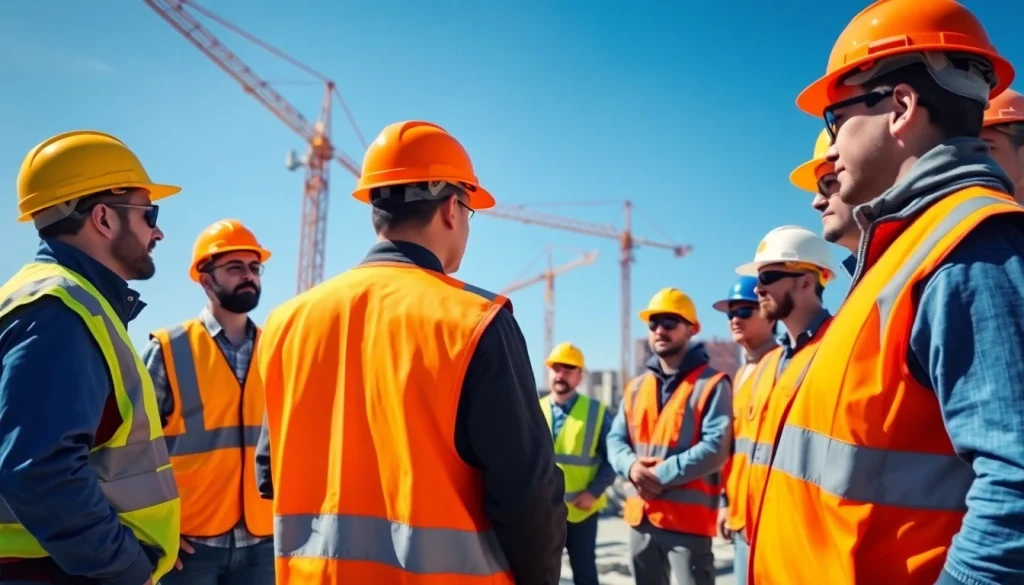
Understanding Construction Site Safety
Construction sites are bustling hubs of activity, marked by heavy machinery, numerous workers, and a wide array of materials. Each of these elements contributes to the site’s dynamic nature, but they also increase the risks associated with construction work. Therefore, prioritizing construction site safety is paramount to ensure the well-being of all personnel involved. This article delves into the importance of safety measures, common risks encountered, and established regulations that govern construction activities.
Importance of Construction Site Safety
Construction site safety plays a critical role in protecting workers and maintaining operational efficiency. Injuries and accidents can lead to significant financial costs, legal issues, and delays in project completion. A robust safety culture not only minimizes risks but also enhances employee morale, fosters a sense of team spirit, and increases productivity. Moreover, adhering to safety protocols helps organizations comply with legal obligations and industry standards, reducing liability and insurance costs.
Common Risks in Construction
Construction sites are fraught with various hazards, including:
- Falls: One of the most prevalent risks, falls from heights can occur due to improper scaffolding, unprotected edges, and inadequate fall arrest systems.
- Electrocution: Contact with electrical circuits or faulty wiring poses serious risks, leading to severe injuries or fatalities.
- Struck-by incidents: Heavy equipment and materials can pose risks of being struck by falling or moving objects.
- Caught-in/between hazards: Workers can become entrapped between machinery or structures, leading to serious injuries.
- Overexertion: Tasks requiring excessive physical effort can lead to injuries like sprains and strains.
Understanding these risks is the first step in developing effective safety measures.
Regulations and Standards
Various regulations govern safety practices in the construction industry. These include:
- Occupational Safety and Health Administration (OSHA) regulations: OSHA sets safety standards for the construction industry, ensuring employers provide a safe working environment.
- National Fire Protection Association (NFPA) codes: These guidelines focus on preventing fire hazards on construction sites.
- International Building Code (IBC): This model code sets minimum safety standards for buildings and alterations.
Compliance with these regulations not only enhances workplace safety but also fosters a culture of safety awareness among workers.
Key Components of a Safety Plan
A well-structured safety plan is vital for mitigating risks on construction sites. This plan should encompass the following core components:
Identifying Hazards
The first step in creating a safety plan is conducting a thorough hazard assessment. This involves inspecting the worksite for potential risks, including environmental, mechanical, and procedural hazards. Collaborating with workers familiar with the site can provide invaluable insights into areas needing heightened awareness.
Creating Safety Protocols
Once hazards are identified, the next step is developing protocols to mitigate them. This includes establishing procedures for safe equipment usage, defining emergency evacuations, and detailing how to report unsafe conditions. It is essential to ensure that all personnel are made aware of these protocols to foster compliance.
Training and Education
Comprehensive training and ongoing education are critical in reinforcing safety protocols. Regular meetings and refreshers on safety practices should be conducted, including crane operation, safe lifting techniques, and hazard communication. Engaging workers through interactive training sessions increases retention and commitment to safety practices.
Implementing Safety Measures
To effectively create a safe working environment, implementing the following measures is essential:
Personal Protective Equipment (PPE)
Providing appropriate PPE is critical in accident prevention. Essential equipment includes hard hats, gloves, goggles, respiratory gear, and high-visibility clothing. Employers must ensure that PPE is well-maintained, accessible, and mandatory for all workers on-site.
Safety Signage and Communication
Clear communication of safety measures is vital. Proper signage should be displayed prominently around the site to remind workers of potential hazards and safe practices. Regular safety briefings and updates should also be communicated through meetings, newsletters, or bulletin boards.
Emergency Response Plans
Every construction site should develop an emergency response plan. This plan details steps to be taken in emergencies, such as fires, severe weather, or accidents. Key components should include evacuation routes, designated assembly points, and contact information for emergency services. Regular drills ensure readiness among workers.
Monitoring and Improving Safety Practices
Monitoring existing safety practices is essential for continuous improvement. Organizations should incorporate these strategies:
Conducting Safety Audits
Regular safety audits help to identify gaps in compliance and areas for improvement. These audits can take the form of scheduled inspections and random spot checks to ensure adherence to protocols and regulations.
Reporting and Feedback Systems
Establishing a robust reporting mechanism allows workers to report unsafe conditions without fear of retribution. This encourages open communication and a culture of safety, where everyone feels responsible for maintaining a safe work environment.
Continuous Improvement Strategies
Continuous improvement hinges on data-driven strategies. Organizations should analyze incident reports and audit outcomes to identify trends. Lessons learned should shape future training and protocol modifications, adapting to changing circumstances and challenges.
FAQs About Construction Site Safety
What are the basic safety rules on construction sites?
Workers should wear PPE, follow protocols, report hazards, and never operate machinery unless trained. Adequate communication of safety measures is key.
How often should safety training be conducted?
Safety training should occur at orientation, with refreshers quarterly or after incidents. Continuous education is vital for maintaining awareness.
What types of PPE are essential for workers?
Essential PPE includes hard hats, gloves, safety glasses, ear protection, and high-visibility vests. Specific requirements depend on job tasks.
How can site managers ensure compliance with safety regulations?
Site managers can ensure compliance by conducting regular audits, providing training, fostering a safety culture, and addressing hazards promptly.
What should be included in an emergency response plan?
An emergency response plan should detail evacuation routes, assembly points, emergency contact information, and procedures for various scenarios.