Understanding Emergency Heating Repair
When the winter months hit, the importance of a functional heating system becomes paramount. Homeowners quickly realize the significance of having a reliable heating solution in place. Unfortunately, emergencies can arise at the most unexpected times, prompting the need for emergency heating repair. This terminology encompasses more than just a simple malfunction; it represents an urgent situation that requires immediate attention.
What Constitutes an Emergency Heating Repair?
An emergency heating repair involves situations where your heating system breaks down unexpectedly, leading to potentially unsafe conditions or extreme discomfort. This could include complete system failures, severe leaks, or electrical issues that pose safety hazards. The defining characteristic of an emergency is the need for prompt intervention to avert further damage or health risks.
Signs You Need Immediate Assistance
Recognizing the signs of a heating emergency can save you from exorbitant costs and property damage. Symptoms to watch for include:
- No Heat: If your heating system is off and doesn’t respond to the thermostat, it’s crucial to contact a professional.
- Strange Noises: Unusual sounds, such as banging or hissing, can indicate internal issues requiring immediate intervention.
- Gas Odors: If you smell gas, evacuate immediately and call emergency services!
- Carbon Monoxide Alarm: If your CO detector goes off, it’s critical to have your heating system inspected to prevent life-threatening situations.
Common Causes of Heating Failures
Understanding what causes heating failures can help you mitigate risks associated with your heating system. Common causes include:
- Thermostat Issues: A malfunctioning thermostat can prevent your heating system from working effectively.
- Clogged Filters: Dirty air filters can restrict airflow, leading to system shutdowns.
- Pilot Light Problems: In gas furnaces, a pilot light that won’t stay lit can result in system failure.
- Electrical Failure: Problems with wiring or connection points can lead to overheating or complete breakdowns.
Preparing for an Emergency Heating Repair
Being prepared before a heating emergency arises can significantly improve your response time and effectiveness. Here’s how you can get ready.
What to Check Before Calling a Professional
Before contacting a professional, check the following:
- Ensure that your thermostat is set to “heat” and that the temperature is higher than the current room temperature.
- Check your circuit breaker. A tripped breaker may often be the culprit of heating issues.
- Examine your air filters to see if they need to be changed.
Essential Tools and Equipment You Might Need
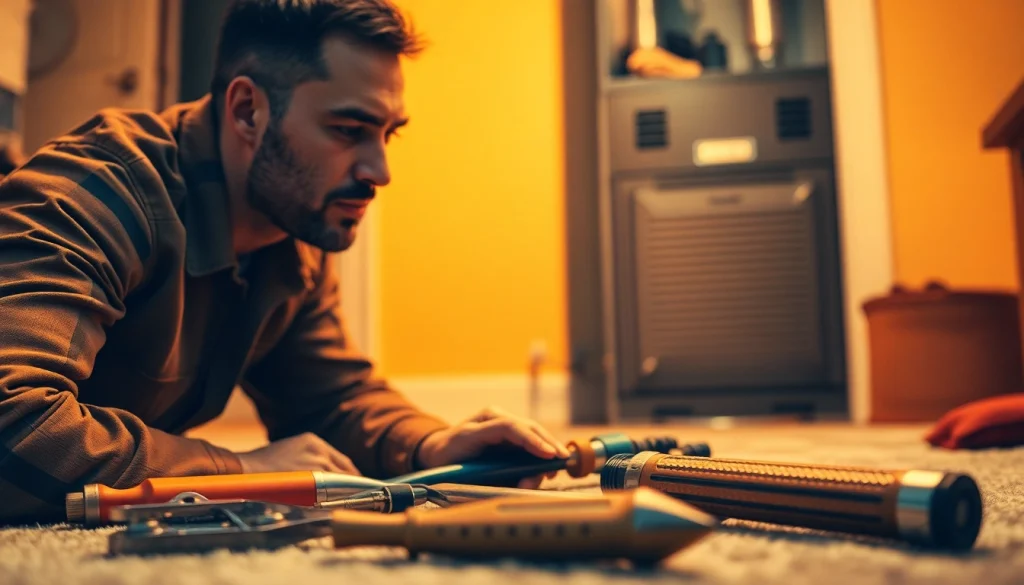
If feasible, having certain tools ready can help you troubleshoot your heating issue before professionals arrive. Essential tools include:
- Multimeter: To check electrical issues.
- Screwdriver Set: Useful for accessing system components.
- Flashlight: To illuminate dark areas while inspecting your heating system.
Understanding Your Heating System Components
Familiarizing yourself with how your heating system operates can empower you during emergencies. Key components include:
- Furnace: Where heating occurs. Be aware of its various parts, such as the heat exchanger and burners.
- Thermostat: The control mechanism for heating. Understand how to set and adjust it properly.
- Ventilation System: This includes ducts and registers that facilitate the distribution of heated air throughout your home.
Finding Reliable Emergency Heating Repair Services
When an emergency heating repair situation arises, finding a reliable technician can be the difference in avoiding further complications. Here’s how to make an informed choice.
How to Evaluate Technicians’ Credentials
Before hiring a technician, ensure they possess the following:
- Licenses: A valid license is mandatory for HVAC contractors. Confirm its authenticity.
- Certifications: Look for certifications from recognized organizations, which indicate their proficiency.
- Insurance: A technician should have liability insurance to cover any damages or accidents.
Questions to Ask Before Hiring
When interviewing potential service providers, consider asking the following questions:
- What is your response time? Quick response times can mitigate emergency situations.
- Do you provide estimates beforehand? Transparency in pricing prevents unwelcome surprises.
- What warranty do you offer on repairs? Guarantees on repairs can provide peace of mind.
Local vs. National Repair Services: Pros and Cons
Choosing between local and national repair companies can greatly affect service quality. Here are some advantages and disadvantages:
- Local Services: Tend to be more personable, often offering faster response times due to their proximity. However, they may have limited resources.
- National Companies: Usually have extensive resources and training. However, they may lack the personalized service and urgency that local techs provide.
DIY Tips While Waiting for Repairs
While waiting for professional help, there are some measures you can take to keep warm and mitigate issues.
Short-term Solutions for Common Problems
Implement these short-term fixes:
- Space Heaters: Use portable space heaters to warm specific areas as a temporary measure.
- Insulation: Open curtains during sunlit hours and close them at night to retain heat.
- Dress Warmly: Layers of clothing can help you stay warm while you resolve the heating issue.
Safety Tips When Operating Your Heater
Safety should be your top priority. Here are some important considerations:
- Keep flammable materials away from the heating unit.
- Do not attempt to repair gas heaters by yourself.
- Ensure proper ventilation if using a secondary heating source like a fireplace.
Emergency Heating Repair Myths Debunked
Misconceptions can lead to dangerous situations. Let’s debunk some common myths:
- Myth: All heating repairs can wait: The longer you wait, the worse the problem can become.
- Myth: DIY fixes are always safe: Some issues, especially those related to gas, can be hazardous.
- Myth: It’s better to let the system run as long as possible: Ignoring warnings can lead to system shutdowns.
Preventive Measures Post Repair
After experiencing an emergency heating repair, taking preventive measures can ensure your system remains reliable in the future.
Regular Maintenance Tips for Heating Systems
Consider the following maintenance tips:
- Change filters regularly to ensure maximum airflow.
- Schedule an annual professional maintenance check.
- Keep the external area around your unit clean and free from debris.
When to Schedule a Routine Checkup
Timing your checkups can prevent heating failures during peak usage months:
- Schedule yearly maintenance before the heating season.
- Consider self-checks bi-annually to identify emerging issues.
Investing in Quality for Long-term Savings
While it might seem costly upfront, investing in high-quality systems and maintenance can save you substantially down the line. Quality systems tend to have longer lifespans and lower operational costs, mitigating the risks of emergencies.
Frequently Asked Questions
What are the most common heating system issues?
The most frequent issues include thermostat malfunctions, clogged filters, and pilot light problems.
How do I know if my heating system is working properly?
Consistent heat distribution, a properly functioning thermostat, and no unusual noises are indicators of a healthy heating system.
Can I perform emergency repairs on my heating system?
While minor adjustments are permissible, major repairs, especially involving gas, should be handled by professionals for safety.
What should I do if I smell gas near my heater?
Evacuate everyone from the premises immediately and call your gas provider or emergency services without delay.
How often should I have my heating system serviced?
It’s recommended to have your heating system serviced annually to ensure optimal performance and safety.