Understanding the Concept of Accent Walls
What are Accent Walls?
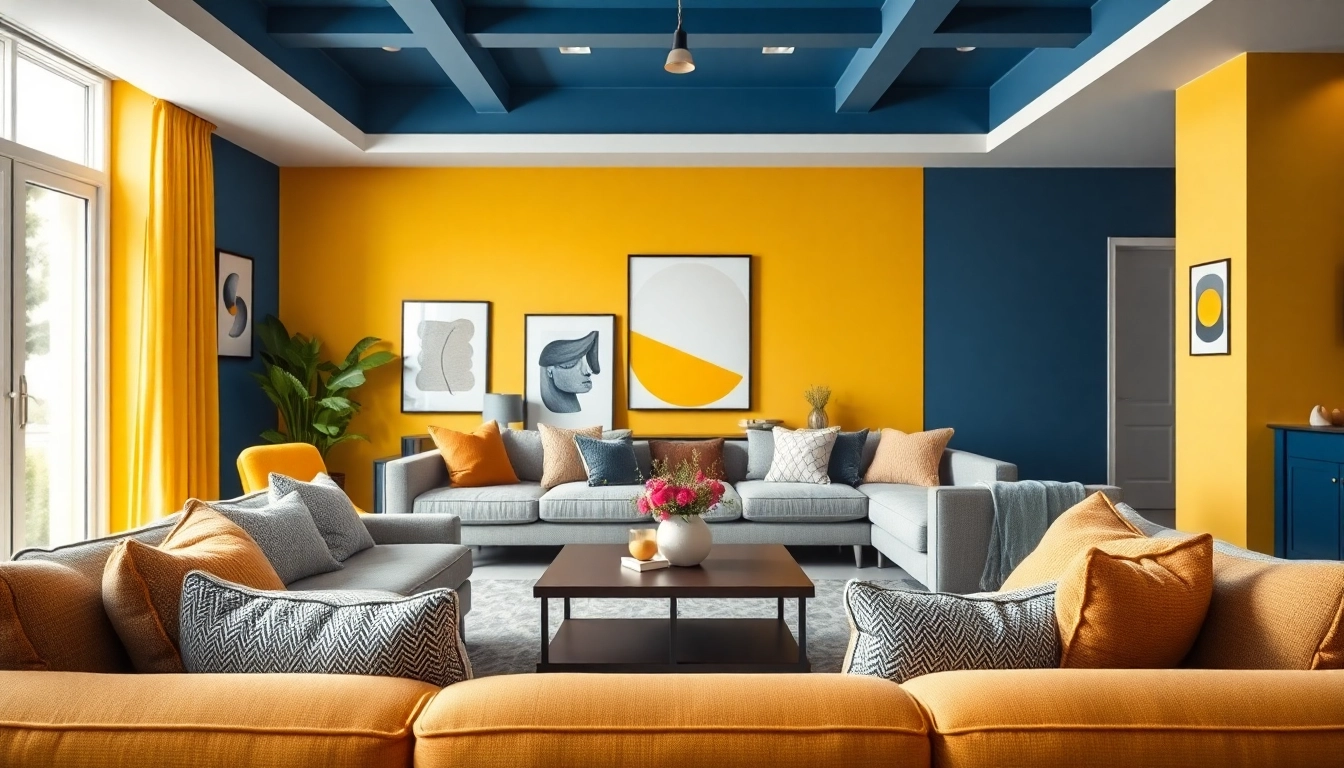
Accent walls are a captivating design element that adds depth, character, and focus to any indoor space. Defined as a single wall that differs in color, texture, or material from the other walls in a room, accent walls serve as a visual anchor that attracts attention. By strategically choosing one wall to stand out, homeowners can enhance their decor without overwhelming the entire space, creating a focal point that can either contrast or complement the surrounding decor.
Benefits of Using Accent Walls
Incorporating accent walls offers a variety of benefits that go beyond mere aesthetics. They can be a cost-effective way to refresh a room without costly renovations. Additionally, accent walls allow homeowners to express their personality and style in a distinctive manner. They can also help define spaces in open floor plans, creating a sense of separation without physical barriers. From a practical standpoint, accent walls can improve the lighting of a room by drawing the eye and creating an illusion of space.
Choosing the Right Space for Accent Walls
Selecting the ideal location for an accent wall is crucial for achieving desired outcomes. Traditional choices include living rooms, bedrooms, and dining areas. However, less conventional areas such as home offices, reading nooks, or entryways can also benefit from an accent wall. The key is to identify areas that naturally draw the eye or serve as transitional spaces, enhancing functionality while adding beauty. Accent walls work effectively in both small and large spaces depending on the desired mood or style.
Popular Styles of Accent Walls
Colorful Paint Techniques for Accent Walls
Colorful paint techniques can create bold and striking accent walls. Techniques such as ombre, where color gradually changes from light to dark, or geometric patterns, can add dynamism to any room. Furthermore, using high-gloss finishes can enhance the vibrancy of the color, reflecting light and enhancing the space visually. Choosing the right color palette that works with existing furniture and decor is essential for creating a harmonious appearance that resonates with the overall design theme.
Textured Finishes and Materials for Accent Walls
Textured finishes provide an innovative approach to accent walls that go beyond color. Materials such as reclaimed wood, stone, or brick can introduce warmth and character. Implementing textural elements like shiplap or 3D wall panels can add depth and interest, creating a tactile experience. These materials not only serve aesthetic purposes but can also improve insulation and soundproofing, making them practical choices for accent walls.
Incorporating Wallpaper in Your Accent Walls
Wallpaper presents an extensive array of designs, patterns, and textures ideal for accent walls. Contemporary peel-and-stick options make the application and removal process quick and easy. Floral, geometric, or abstract prints can dramatically change a room's ambiance and can be swapped seasonally to keep the space feeling fresh and updated. Whichever design you choose, it’s important to ensure it complements the overall style of the room for a cohesive look.
Planning Your Accent Wall Project
How to Select Colors for Accent Walls
Choosing the right color for your accent wall is critical. A good starting point is to consider the room's natural lighting, existing decor, and color psychology. Cooler hues like blues and greens create a calm environment, while warm colors such as reds, oranges, and yellows energize a space. Additionally, using the 60-30-10 rule can be helpful, where 60% of a room's color is the dominant color, 30% is the secondary color, and 10% is the accent color to ensure balanced aesthetics.
Essential Tools for Creating Accent Walls
Creating an accent wall requires specific tools and supplies to ensure a smooth process. Essential tools include painter's tape, brushes, rollers, and painter’s trays. Additionally, having a level and measuring tape can help ensure perfect alignment and proportion. If adding texture or wallpaper, a utility knife and smoothing tools will be required. Investing in quality paints or finishes can make a significant difference in the overall appearance and longevity of the accent wall.
Steps for Measuring and Designing Your Accent Walls
Proper planning ensures a successful accent wall project. Begin by measuring the desired wall to determine how much paint or material is needed. After ensuring your measurements are accurate, sketch out a design taking into account the room's layout and existing elements. Consult color swatches and material samples before making the final decision. Execution should include preparation, application, and review phases to deliver the best results.
Common Challenges with Accent Walls
Overcoming Color Clashes with Accent Walls
Color clashes can occur when the accent wall does not harmonize with the rest of the room elements. To avoid this, consider colors that are in the same family or complementary colors that enhance each other. Testing paint samples on a small area of the wall provides a practical way to visualize how different colors interact with natural lighting and existing furnishings before committing to a final choice.
Space Illusion: Making Small Rooms Feel Larger
Accent walls can create the illusion of space, particularly in smaller rooms. Using lighter colors that reflect light can help to make a room feel more open. Adding vertical lines or patterns can also create a sense of height. Incorporating mirrors or gloss finishes on your accent wall enhances this effect, adding depth and visual interest while maintaining elegance within the space.
Maintenance Tips for Long-lasting Accent Walls
To preserve the aesthetic appeal of your accent wall, regular maintenance is key. Dusting the wall periodically and addressing stains immediately can prevent them from settling in. For painted walls, using semi-gloss or satin finishes makes cleaning easier; simply wipe down with a damp cloth. If using wallpaper, ensure that it's kept dry and repair any damages promptly to maintain its beauty.
Inspiring Examples of Successful Accent Walls
Interior Design Trends Featuring Accent Walls
Currently, accent walls are trending in various styles, including minimalism, bohemian chic, and industrial design. Accent walls adorned with oversized art or mirrors are increasingly popular, as they make bold statements without occupying physical space. The use of sustainable materials on accent walls is also gaining traction, with homeowners seeking to create eco-friendly and inviting living spaces.
Case Studies of Homes with Brilliant Accent Walls
Exploring case studies of homes with successful accent walls can provide valuable insights. For instance, a modern urban loft might feature a reclaimed wood wall that contrasts with minimalist decor, adding warmth and character. A coastal cottage might utilize soft blue paint as an accent wall to evoke the ocean's tranquility. These examples illustrate how accent walls can be customized to meet specific stylistic and functional needs within a home.
How to Personalize Your Accent Walls
Personalizing your accent walls can greatly enhance the emotional connection to your space. Consider displaying personal artwork, framed family photos, or dynamic shelves filled with treasured decor. Thoughtful personalization transforms an accent wall from just a design choice into a unique reflection of your personality and lifestyle.
Frequently Asked Questions
1. Can I use multiple accent walls in one room?
Yes, multiple accent walls can be used, but it’s important to ensure they complement each other without overwhelming the space. A cohesive color palette helps maintain balance.
2. How do I choose the right color for my accent wall?
Consider the existing decor, lighting, and mood you want to create. Test paint samples to see how they interact with your space before deciding.
3. Can I DIY my accent wall?
Absolutely! With the right tools and materials, DIY accent walls can be a fun project. Just ensure you take the time to plan and prep properly!
4. What are the best materials for accent walls?
Popular materials include paint, wallpaper, reclaimed wood, and stone. Choose based on desired texture and design style to effectively enhance your space.
5. How can I maintain my accent wall?
Regularly dust and clean the wall to prevent stains. For painted finishes, use a damp cloth. For wallpaper, guard against moisture and promptly repair any damages.