Understanding the Importance of Construction Site Safety
Every year, thousands of workers in the construction industry face injuries due to accidents on site. The significance of construction site safety cannot be overstated; it's not just about compliance, but about protecting lives and ensuring efficient project execution. An environment that prioritizes safety fosters a culture of responsibility, reduces downtime, and ultimately enhances productivity. Understanding why safety is paramount is the first step in cultivating a secure construction site.
Why Safety Matters in Construction
Construction is inherently a dangerous profession. Workers face risks from heavy machinery, tools, and elevated workspaces daily. However, prioritizing safety has numerous benefits, including:
- Preventing Fatalities and Injuries: A focus on safety can significantly reduce accidents, injuries, and fatalities on site.
- Enhancing Worker Morale: Employees who perceive their workplace as safe are likely to be more satisfied and productive.
- Reducing Financial Liabilities: Injuries on site can lead to increased insurance costs, lawsuits, and compensation claims, all of which can drain financial resources.
Common Hazards on Construction Sites
Understanding common hazards is essential for effective safety management. These may include:
- Falls: One of the leading causes of fatal injuries in construction. Proper scaffolding and fall protection systems can help mitigate this risk.
- Electrical Hazards: Working near power lines or using faulty equipment can lead to electrocution. Regular inspections and training can minimize dangers.
- Equipment Accidents: Heavy machinery must be operated by trained individuals to prevent accidents.
- Hazardous Material Exposure: This includes exposure to chemicals and pollutants. Proper PPE and training are substantial for reducing risks.
The Role of Regulations in Safety
Various regulatory bodies, including OSHA (Occupational Safety and Health Administration), set standards that construction sites must adhere to. These regulations are designed to protect workers:
- Standards Compliance: Following specific regulations can help mitigate legal liabilities and enhance overall site safety.
- Inspections and Audits: Regular checks ensure compliance and allow sites to address any potential hazards proactively.
- Training Requirements: Many regulations mandate specific training to ensure workers are knowledgeable about safety procedures.
Implementing Safety Protocols
Once the importance of safety is acknowledged, the next step is implementation. A structured safety protocol can radically shift the safety landscape on any construction site.
Creating a Comprehensive Safety Plan
Creating a robust safety plan should involve stakeholders at all levels. Essential elements include:
- Risk Assessment: Identify potential risks associated with the specific site, projects, and operations.
- Standard Operating Procedures (SOPs): Clear SOPs should include detailed steps for carrying out tasks safely.
- Emergency Plans: Establish plans for various scenarios like fires, explosions, or severe weather conditions.
Employee Training and Engagement
Training is crucial to ensure that all workers understand the safety protocols. Engaging employees in safety meetings fosters a culture of safety awareness.
- Regular Training Sessions: Provide mandatory safety training that is updated regularly to reflect current best practices and regulations.
- Incentive Programs: Implementing safety incentive programs encourages employees to adhere to safety standards and report unsafe behaviors.
- Feedback Mechanisms: Establish an open line for employees to discuss safety concerns, promoting a proactive approach to safety.
Conducting Regular Safety Inspections
Routine inspections are critical to maintaining safety on construction sites. These can be categorized as:
- Daily Inspections: Conducted before work begins to identify immediate hazards.
- Weekly Inspections: More thorough reviews of equipment, PPE, and adherence to safety standards.
- Incident Reviews: After any accident, an inspection should analyze what went wrong and what can be improved.
Personal Protective Equipment (PPE) Essentials
PPE is crucial for protecting workers from hazards that cannot be eliminated through engineering controls or administrative measures. Employers must ensure the right PPE is available and properly used.
Types of PPE for Construction Workers
Different hazards require specific types of PPE:
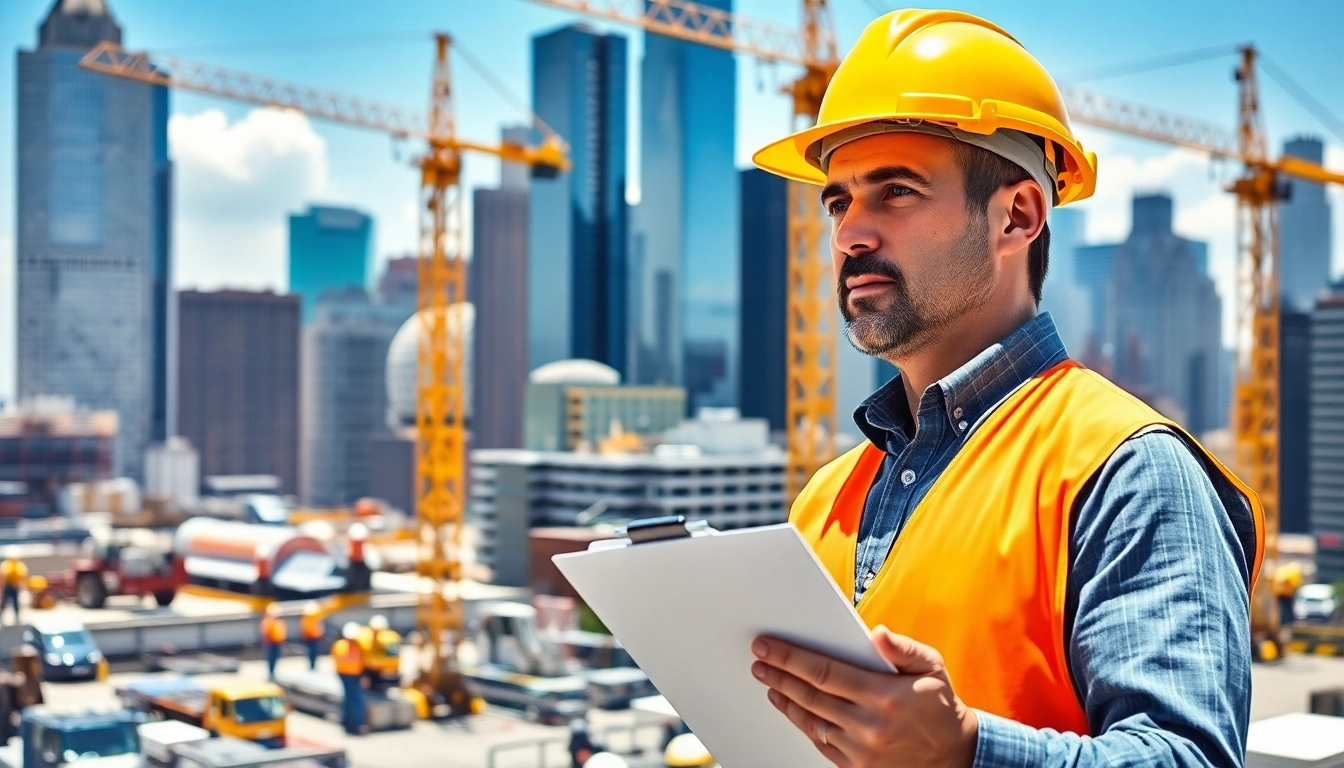
- Hard Hats: Protect against impact from falling objects.
- Gloves: Important for handling materials and tools safely.
- Eye Protection: Required when performing tasks that may generate dust, debris, or hazardous liquids.
- Footwear: Steel-toed boots protect against heavy objects falling on feet.
How to Properly Use PPE
PPE must be used as intended to be effective. Tips include:
- Training: Workers should be trained on how to properly wear and maintain PPE.
- Regular Inspections: Conduct checks to ensure all equipment is in good working condition.
- Replacement Programs: Implement a schedule for replacing worn or damaged PPE.
The Importance of PPE Maintenance
Proper maintenance of PPE ensures its effectiveness over time:
- Cleaning: Regular cleaning of PPE is essential to maintain hygiene and function.
- Storage: PPE should be stored in a clean, dry environment to avoid damage.
- Replacement: Worn items should be replaced immediately to maintain safety standards.
Enhancing Communication on Construction Sites
Effective communication is fundamental to ensuring safety on construction sites. Miscommunication can lead to accidents, making clear communication necessary.
Establishing Clear Safety Signals
Developing clear terms, signals, and visual aids can enhance site's communication. This includes:
- Standard Signage: Use clear signs for hazards, instructions, and emergency contact information.
- Color Codes: Implement a unified color code system for various hazards.
- Hand Signals: Establish hand signals for situations where verbal communication may not be effective, such as when using machinery.
Using Technology for Better Communication
Leverage technology to enhance communication and safety:
- Safety Apps: Use applications that can track hazards and safety issues in real-time.
- Video Conferencing: Allows for remote safety meetings and inspections, enabling better engagement.
- Collaborative Platforms: Adopt platforms for teams to share updates and safety reports.
Encouraging Daily Safety Briefings
Conducting daily safety briefings reinforces safety protocols:
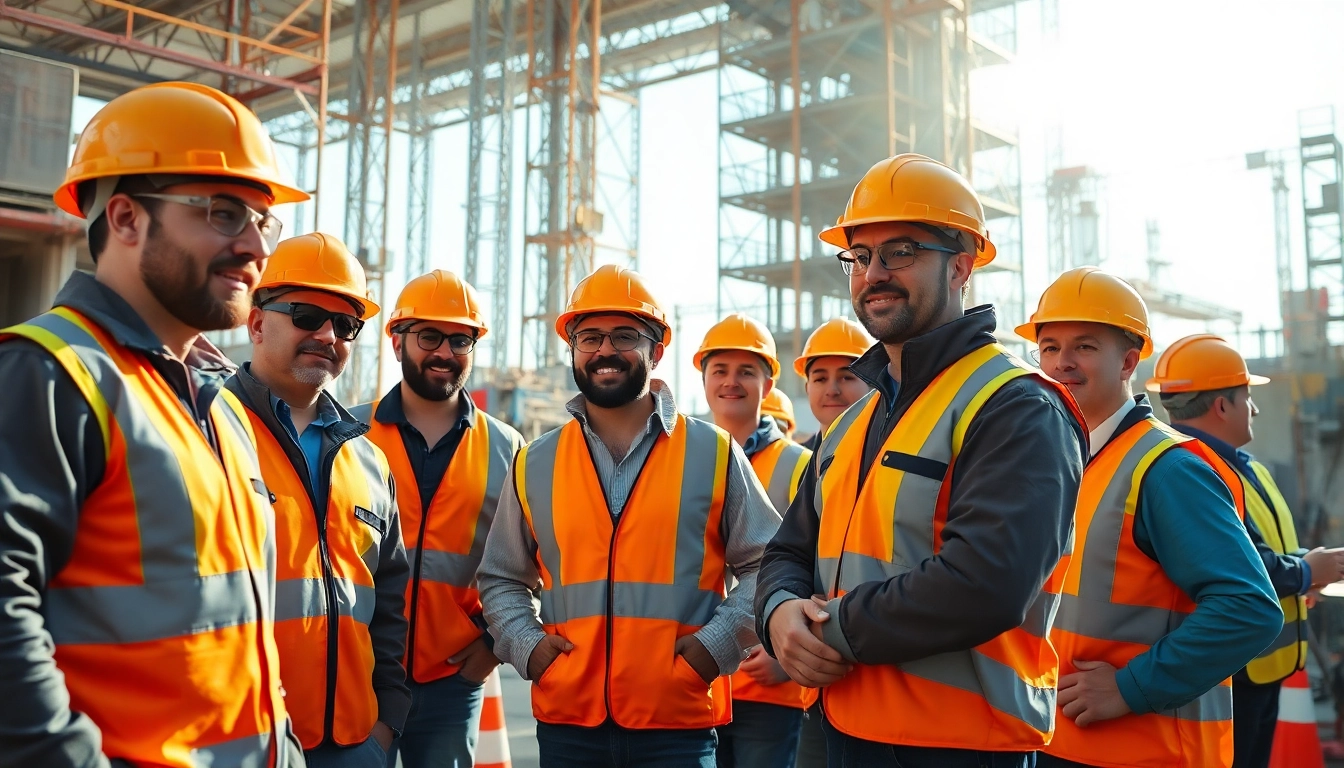
- Team Involvement: Encourage workers to share concerns and observations during meetings.
- Awareness of Ongoing Issues: Discuss recent incidents and reinforce lessons learned to prevent recurrence.
- Event Notifications: Use meetings to inform of upcoming projects or potential hazards.
Evaluating and Improving Safety Performance
Continuous evaluation is essential for the ongoing improvement of safety practices. By measuring safety performance and outcomes, organizations can identify areas that need improvement.
Metrics for Measuring Safety Success
Data-driven decisions are vital for enhancing safety:
- Incident Rates: Track the number of injuries or near-misses as part of overall safety metrics.
- Safety Training Completion: Measure attendance and participation in training programs.
- Equipment Usage: Monitor the rate of PPE and safety equipment usage among workers.
Reporting and Analyzing Incidents
Incident reporting systems should be in place to streamline data collection and analysis:
- Standard Reporting Procedures: Establish a clear process for reporting incidents to ensure consistency and thoroughness.
- Root Cause Analysis: Analyze incidents to determine contributing factors and implement corrective actions.
- Documentation: Keep detailed records of all safety incidents and the actions taken to improve safety.
Continuous Improvement in Safety Practices
A culture of continuous improvement should be fostered across the organization:
- Regular Reviews: Schedule annual or bi-annual safety reviews to analyze performance metrics and protocols.
- Stakeholder Involvement: Encourage input from all levels of staff to identify areas for improvement.
- Training Updates: Regularly revise training materials based on the latest industry standards and incident analysis.
FAQs on Construction Site Safety
1. What are the most common construction site hazards?
The most common hazards include falls, electrical risks, equipment accidents, and hazardous material exposure. Effective risk management can help mitigate these dangers.
2. Why is training important for construction site safety?
Training equips workers with the necessary knowledge to identify and avoid risks, understand safety procedures, and use PPE correctly. It's crucial for creating a safety-conscious culture.
3. How often should safety inspections be performed on a construction site?
Safety inspections should be conducted daily for immediate hazards, weekly for thorough assessments, and after any incidents to ensure continued safety compliance.
4. What role does PPE play in ensuring construction site safety?
PPE protects workers from potential hazards that cannot be controlled through engineering solutions, making it an essential component of overall safety strategy.
5. How can technology improve construction site safety?
Technology enhances communication, provides real-time data tracking of safety issues, and aids in training, making it easier to manage safety protocols effectively on-site.