
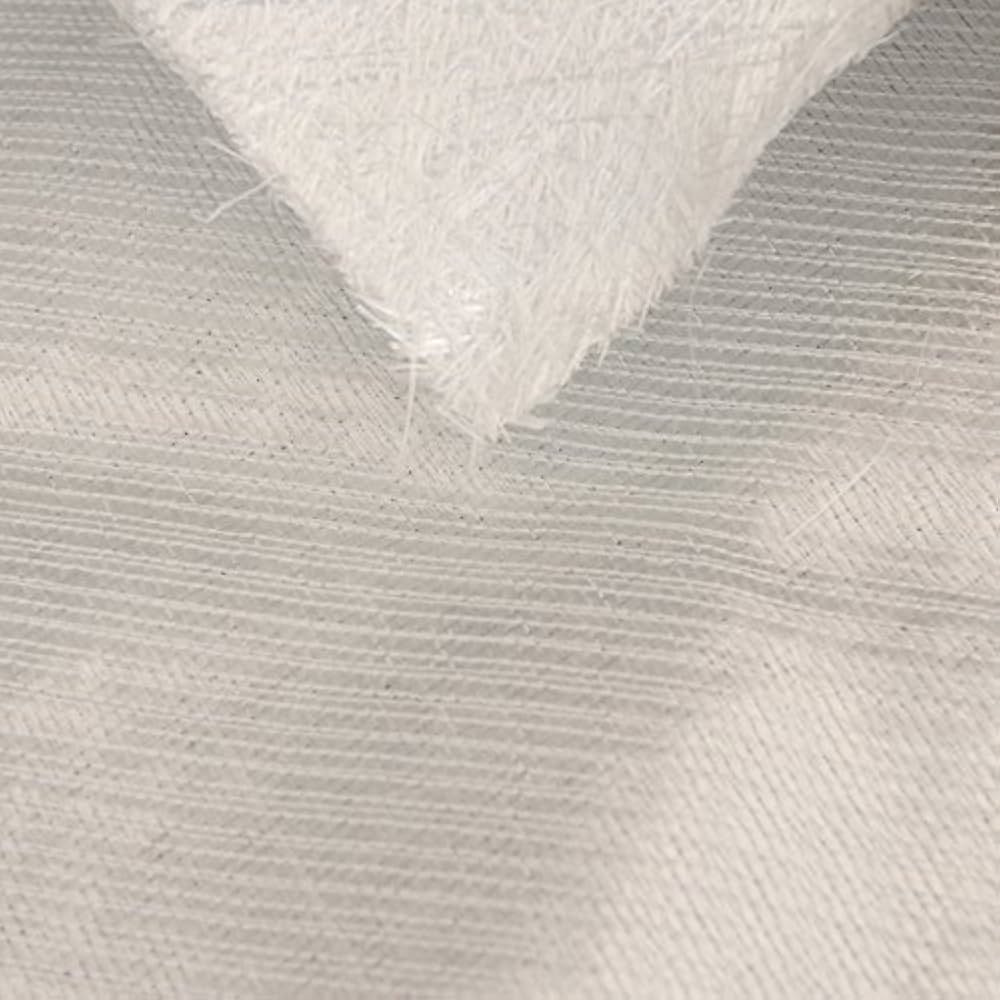
Fiberglass Needle Mat is a highly versatile and durable material widely used for thermal and acoustic insulation. Due to its excellent properties, it finds applications across industries such as construction, automotive, and manufacturing. However, to fully harness its benefits, it is important to choose the right type of Fiberglass Needle Mat for your specific application. In this article, we will explore the factors to consider when selecting Fiberglass Needle Mat and how to ensure that it meets the requirements of your project.
What is Fiberglass Needle Mat?
Fiberglass Needle Mat is a non-woven insulation material created by entangling short fiberglass fibers through a mechanical needling process. This results in a flexible, durable, and lightweight mat that provides effective thermal and acoustic insulation. The mat is designed to trap air between its fibers, reducing heat transfer and sound transmission. The versatility of Fiberglass Needle Mat makes it suitable for a wide range of applications, from industrial insulation to building construction.
Factors to Consider When Choosing Fiberglass Needle Mat
Selecting the right Fiberglass Needle Mat for your application involves considering several factors to ensure that the material provides optimal performance. These factors include the specific requirements of your project, the environment in which the mat will be used, and the thermal and acoustic needs of the application.
1. Temperature Resistance
The first factor to consider when choosing Fiberglass Needle Mat is the temperature range it needs to withstand. Different grades of Fiberglass Needle Mat have varying levels of heat resistance, and choosing the right one depends on the operating conditions of your project.
High-Temperature Applications
For industrial applications that involve high heat, such as furnaces, boilers, or exhaust systems, it is essential to choose a Fiberglass Needle Mat with high heat resistance. These mats are designed to withstand temperatures up to 550°C without degrading, ensuring that they remain effective over time. Make sure to select a mat that can handle the maximum temperature your equipment will reach to avoid performance issues.
Residential and Commercial Applications
For residential or commercial buildings, you may not need a mat with extreme temperature resistance, but one that can still provide reliable insulation in typical indoor conditions. In such cases, a standard-grade Fiberglass Needle Mat will be sufficient for applications such as wall, roof, and floor insulation, ensuring energy efficiency and comfort.
2. R-Value (Thermal Resistance)
The R-value of an insulation material measures its ability to resist heat flow. The higher the R-value, the better the material is at insulating. When choosing Fiberglass Needle Mat, it is important to select a product with the appropriate R-value for your application to ensure maximum energy efficiency.
How to Determine the Right R-Value
The R-value required for your project depends on the climate, the size of the space, and the specific application. For example, in areas with cold climates, such as attics and basements, higher R-values are required to keep indoor spaces warm and reduce heating costs. Conversely, in warmer climates, insulation with a moderate R-value may be sufficient to maintain comfortable indoor temperatures.
Meeting Building Codes
In many construction projects, building codes specify the minimum R-value required for insulation. Be sure to check the relevant codes for your region or industry to ensure compliance and to select a Fiberglass Needle Mat that meets these standards.
3. Acoustic Performance
In addition to thermal insulation, Fiberglass Needle Mat is also valued for its ability to absorb sound and reduce noise transmission. When selecting a mat for soundproofing, it is important to consider the material’s acoustic properties.
Noise Reduction Needs
If your project involves controlling noise levels, such as in a recording studio, office building, or residential space near a noisy street, the acoustic performance of the mat will be a key factor. Fiberglass Needle Mat has a high Sound Transmission Class (STC) rating, meaning it effectively blocks sound transmission between spaces. The denser the mat, the better its soundproofing capabilities.
Industrial and Automotive Soundproofing
In industrial applications, such as machinery rooms or manufacturing plants, and in automotive systems, where noise reduction is critical, choosing a higher-density Fiberglass Needle Mat can provide enhanced soundproofing. The mat’s ability to absorb sound helps create quieter environments and reduces noise pollution, which is essential for worker safety and comfort.
4. Durability and Compression Resistance
The durability of Fiberglass Needle Mat is another important factor to consider. Insulation materials in industrial and commercial environments are often subjected to physical stress, including compression, impact, and wear. Fiberglass Needle Mat is known for its resilience and ability to withstand these stresses without losing its insulating properties.
Compression Resistance
One of the advantages of Fiberglass Needle Mat is its resistance to compression. Over time, many insulation materials degrade or lose their shape when subjected to pressure. Fiberglass Needle Mat maintains its performance even under continuous compression, ensuring that it continues to provide reliable insulation for years.
Long-Term Performance
The longevity of the Fiberglass Needle Mat is another factor to consider, especially in applications where it will be exposed to harsh environmental conditions. The material’s durability ensures that it remains effective and requires minimal maintenance throughout its lifespan.
5. Moisture and Chemical Resistance
In environments where moisture or chemicals may be present, it is essential to choose a Fiberglass Needle Mat that is resistant to these factors. Fiberglass Needle Mat is naturally resistant to water and chemicals, making it a reliable choice for use in damp or corrosive environments.
Resistance to Moisture
In areas where moisture is a concern, such as in basements, crawl spaces, or industrial settings, Fiberglass Needle Mat’s moisture resistance ensures that it will not absorb water or lose its insulating properties over time. This makes it a great choice for areas prone to humidity, as it helps prevent mold growth and maintains its performance.
Chemical Resistance
For industrial applications involving exposure to chemicals or corrosive substances, Fiberglass Needle Mat’s chemical resistance ensures that it will not degrade when exposed to these elements. This is particularly important in industries such as chemical processing, petrochemical manufacturing, and power generation.
6. Flexibility and Ease of Installation
Fiberglass Needle Mat is known for its flexibility, which makes it easy to handle, cut, and install. Whether it is being used in industrial systems, residential buildings, or automotive applications, the material can be easily shaped to fit various spaces and configurations.
Customization for Unique Applications
The flexibility of Fiberglass Needle Mat allows it to be customized to meet the specific needs of your application. It can be cut to size or shaped to fit irregular surfaces, making it a highly adaptable insulation solution for even the most complex projects.
7. Cost Considerations
While Fiberglass Needle Mat is a cost-effective insulation solution, the price can vary based on the thickness, density, and specifications required for your project. It is important to balance cost with performance to ensure that you are getting the best value for your investment.
Balancing Cost and Performance
When selecting Fiberglass Needle Mat, consider the long-term savings it will provide in terms of energy efficiency and maintenance. While it may have a higher initial cost compared to some insulation materials, its durability, energy-saving capabilities, and reduced maintenance requirements make it a wise investment in the long run.
Conclusion
Choosing the right Fiberglass Needle Mat for your application is essential for ensuring optimal thermal and acoustic performance. By considering factors such as temperature resistance, R-value, acoustic performance, durability, and cost, you can select the perfect mat for your project. Whether you are insulating an industrial system, improving soundproofing in a commercial building, or enhancing the energy efficiency of a residential home, Fiberglass Needle Mat offers a reliable, durable, and cost-effective solution for all your insulation needs.