Introduction to Island Light Fixtures
When it comes to illuminating the heart of your home, island light fixtures play a pivotal role. These fixtures are not merely functional; they are a design statement that can transform a kitchen environment into a warm and inviting space. In this comprehensive guide, we will delve into the importance of island light fixtures, explore various types available in the market, and provide insights on how to choose the right style for your kitchen.
Understanding the Importance of Island Light Fixtures
Island light fixtures serve as a crucial aspect of kitchen design, spotlighting key areas that require illumination while enhancing the overall aesthetic. They not only provide adequate lighting for preparation and dining but also draw attention to your kitchen island, which often serves as the central hub of family gatherings and culinary experiences.
The right lighting can influence the mood, functionality, and even safety within this space. For instance, proper lighting levels can minimize the risk of accidents during food preparation. Moreover, they offer a way to express personal style through an array of designs, from contemporary to farmhouse aesthetics.
Types of Island Light Fixtures
When selecting island light fixtures, understanding the different types available is crucial. The market offers a variety of options catering to diverse stylistic preferences and functional needs:
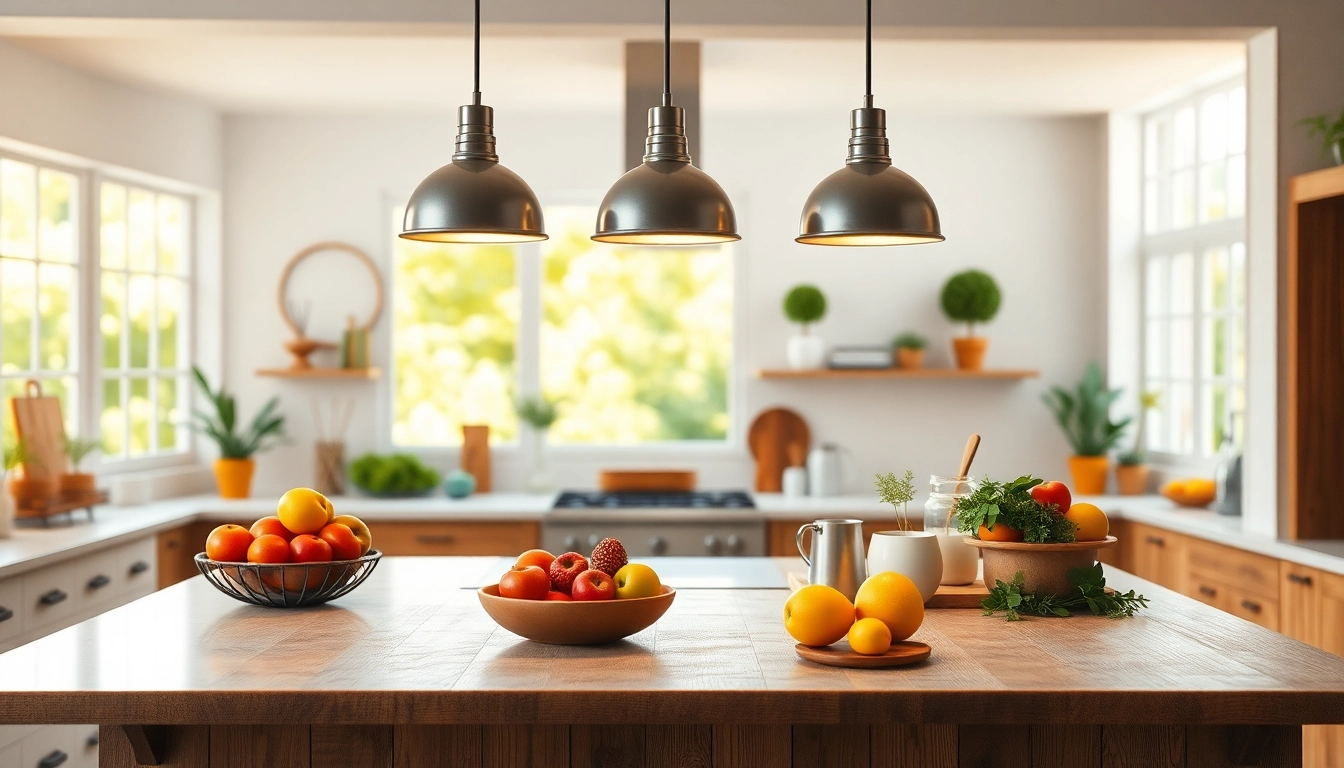
- Pendant Lights: These are among the most popular choices for kitchen islands, offering versatility in design and height. They come in multiple shapes, sizes, and finishes, allowing for a seamless integration into any kitchen style.
- Chandeliers: For those looking to make a bold statement, chandeliers provide elegance and sophistication. They can elevate the kitchen's visual appeal, especially in open-plan spaces.
- Track Lighting: This option offers directional lighting and flexibility, allowing homeowners to adjust the focus of light based on specific tasks without sacrificing style.
- Flush Mount Lights: Ideal for kitchens with lower ceilings, flush mounts provide a sleek and unobtrusive way to illuminate the island area without overpowering the space.
- Under-Cabinet Lighting: While not typically classified under main island fixtures, under-cabinet lighting can complement overhead lights, providing additional illumination for specific kitchen tasks.
Choosing the Right Style for Your Kitchen
Selecting the appropriate style of island light fixtures is key to achieving the desired aesthetic in your kitchen. Here are several factors to consider:
- Kitchen Theme: Your choice should complement the overall theme of your kitchen. A modern kitchen may benefit from sleek, minimalist fixtures, while a rustic-themed kitchen might be better suited to vintage or industrial-style lights.
- Color and Finish: Consider colors and finishes that either match or contrast with your kitchen elements for a cohesive look. Options include bronze, chrome, glass, and wood finishes.
- Size and Scale: The scale of your fixtures should be proportional to the kitchen island. Larger islands may require multiple fixtures for even illumination, while smaller islands might need just a couple of well-placed lights.
- Height: The hanging height of your fixtures should allow for comfortable use of the island without obstructing views or movement. The general guideline is to hang them 30-36 inches above the countertop.
Designing with Island Light Fixtures
Designing a kitchen with island light fixtures requires thoughtful consideration of placement, aesthetics, and the overall functionality of the space. Let's explore best practices for achieving effective and harmonious design.
Best Practices for Placement
Effective placement of island light fixtures can significantly enhance their functionality. Here are some best practices:
- Align with the Island: Ensure that your fixtures are evenly spaced and align with the center of the island for balanced lighting.
- Consider the Fixture Size: Larger islands may require three or more fixtures, while smaller islands can operate well with one or two. Avoid overcrowding, which can make the space feel cluttered.
- Task Lighting: Ensure that lights are aimed down to eliminate shadows for tasks like chopping and cooking, offering clear visibility where it's most needed.
Color Coordination and Aesthetics
The color and aesthetic of your island light fixtures should seamlessly tie into the overall kitchen decor. When selecting fixtures, remember:
- Maintain a Consistent Palette: Fixtures should be in coordination with cabinetry, countertops, and other appliances to create a unified look.
- Accent Features: Use lights as accent pieces to highlight specific areas, such as artwork or decorative tile backsplashes.
- Layered Lighting: Incorporate layered lighting, mixing ambient, task, and accent lights to create depth and interest in your kitchen design.
Combining Fixtures for a Unique Look
Combining different styles of island light fixtures can help create a unique and personalized kitchen atmosphere. Here are some tips:
- Mixing Styles: Don't shy away from blending various types of fixtures. For instance, pairing pendant lights with chandeliers can create a dynamic and engaging visual interest.
- Varying Heights: Utilize varying heights for different fixtures to encourage curiosity and create a layered effect in your lighting design.
- Maintain a Cohesive Color Palette: While mixing styles enhance uniqueness, make sure all fixtures share a common color palette or design element to ensure visual harmony.
Energy Efficiency and Sustainability
As modern homeowners become more environmentally conscious, the consideration for energy efficiency in lighting fixtures has grown. Let's examine how to make sustainable choices in island lighting.
Using LED vs. Traditional Bulbs
LED bulbs have revolutionized lighting efficiency, offering several advantages over traditional incandescent or fluorescent bulbs:
- Longevity: LED bulbs can last up to 25 times longer than traditional bulbs, reducing the need for frequent replacements.
- Energy Savings: LEDs consume about 75% less energy, translating to lower electricity bills and a reduced carbon footprint.
- Heat Emission: Unlike incandescent bulbs, LEDs emit minimal heat, making them safer to use in kitchen environments.
Energy-Saving Tips for Island Light Fixtures
To further enhance energy efficiency in your lighting, consider these practical tips:
- Utilize Dimmers: Dimming lights during less intensive tasks can save energy and extend the lifespan of your bulbs.
- Use Sensors: Install motion or occupancy sensors for automated lighting that turns on and off based on presence in the kitchen.
- Select Energy Star Rated Fixtures: Opt for fixtures that are rated by Energy Star for guaranteed efficiency.
Eco-friendly Fixture Options
When it comes to sustainable island light fixtures, there are plenty of eco-friendly options:
- Recycled Materials: Look for fixtures made from repurposed materials or sustainable resources, which minimize environmental impact.
- Solar-Powered Options: Consider exterior or indoor solar-powered lights for areas where natural light is abundant, capitalizing on renewable energy.
- Minimalistic Designs: Simple and efficient designs often require fewer materials and resources, making them a better choice for the environment.
Installation and Maintenance
Proper installation and ongoing maintenance of island light fixtures are essential for ensuring longevity and performance. Below, we discuss key considerations for both processes.
Professional vs. DIY Installation
Deciding whether to hire a professional or tackle the installation of your island light fixtures yourself depends on several factors:
- Complexity: If you're dealing with complex electrical work or intricate fixtures, hiring a licensed electrician may be the safest choice.
- Experience: For those who are handy and have some knowledge of electrical systems, a DIY approach can be rewarding and cost-effective.
- Building Codes: Ensure that any installations comply with local building codes and regulations—professionals are well-versed in these standards.
Routine Maintenance for Longevity
To maximize the lifespan and efficiency of your island light fixtures, adhere to these maintenance practices:
- Regular Cleaning: Dust and debris can accumulate on fixtures, retarding light output. Clean fixtures with a soft cloth and appropriate cleaner to ensure optimum performance.
- Inspect Wiring: Regularly check the wiring and connections for signs of wear, fraying, or corrosion to prevent electrical hazards.
- Replace Bulbs Promptly: Timely replacement of burnt-out bulbs not only enhances overall lighting but helps prevent strain on the remaining fixtures.
Common Problems and Solutions
Like any element in your home, island light fixtures can occasionally face issues. Here are some common problems and their solutions:
- Flickering Lights: This can indicate issues with the bulb, fixture, or wiring. Start by replacing the bulb; if the problem persists, consult an electrician.
- Inadequate Lighting: If the brightness is insufficient, reassess the wattage of your bulbs or consider adding additional fixtures for enhanced illumination.
- Uneven Hanging: Ensure that all fixtures are hung at the same height and aligned properly. This may require minor adjustments to mounts or suspension cords.
FAQs about Island Light Fixtures
What size should my island light fixtures be?
Choose fixtures that are proportionate to the island's size, ideally hanging 30-36 inches above the surface.
How many island light fixtures do I need?
Generally, 2-3 fixtures provide balanced lighting, depending on the island's dimensions and layout.
Can I mix different styles of fixtures?
Yes, blending styles can create a unique design, but maintain a cohesive color palette for harmony.
What wattage is best for island light fixtures?
For effective illumination, a total wattage of 200-300 watts is recommended, depending on the space and fixture design.
Are there smart island light fixtures available?
Yes, many modern fixtures offer smart features, allowing you to control brightness and color through apps or voice.