The Nature of Visceral Fat
Defining Visceral Fat
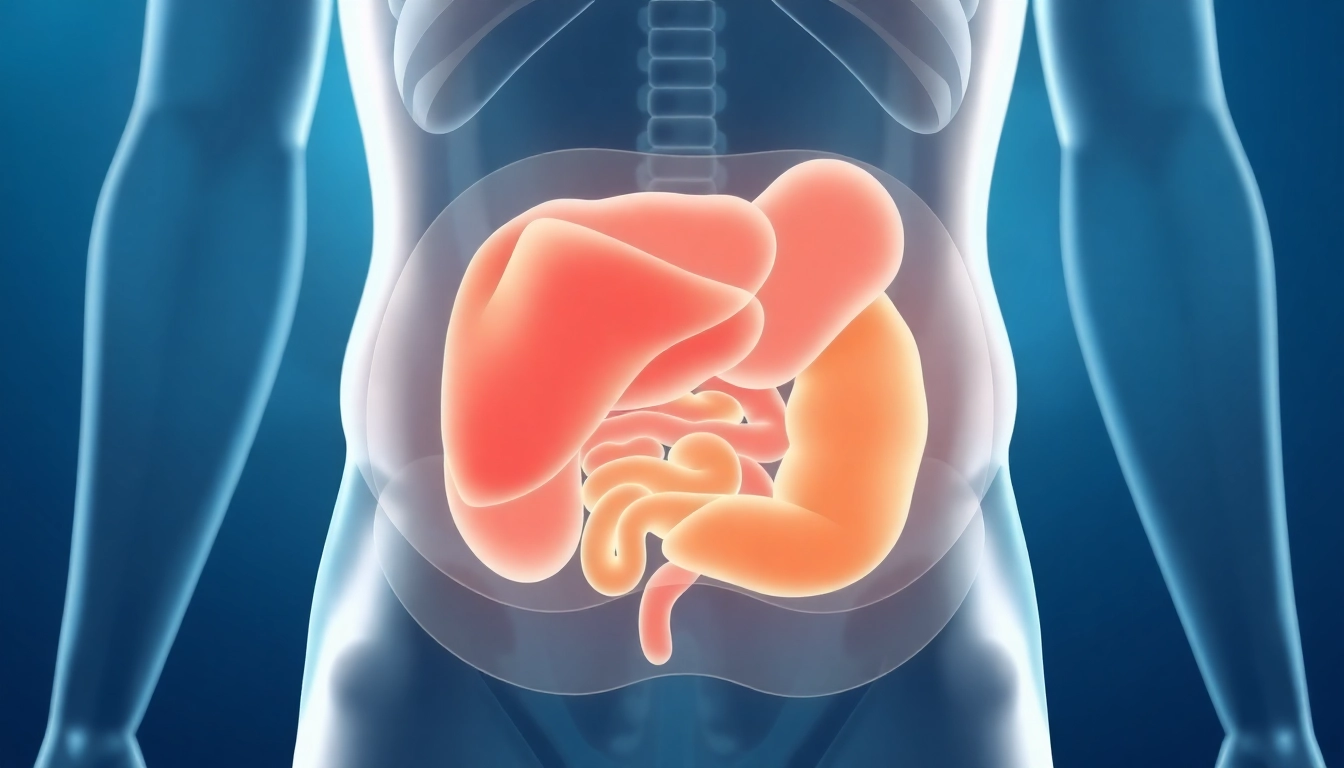
Visceral fat is a unique type of body fat that is stored deep within the abdominal cavity. Unlike subcutaneous fat, which lies just beneath the skin and can be pinched, visceral fat wraps around critical internal organs such as the liver, pancreas, and intestines. This fat is not merely a passive storage area for excess energy; it is an active endocrine organ that influences various metabolic processes and may lead to several health issues if present in excess. The visceral fat can significantly impact health, often going unnoticed until its consequences are felt in serious conditions such as type 2 diabetes, heart disease, and even some cancers.
How Visceral Fat Differs from Other Fat Types
To fully understand visceral fat, it is essential to distinguish it from other types of fat in the body. The three main types include subcutaneous fat, visceral fat, and intramuscular fat. Subcutaneous fat is located just under the skin and is visible and pinchable, often viewed as less harmful. On the other hand, visceral fat is internal and can only be detected through medical imaging or by measuring waist circumference. Intramuscular fat, as the name suggests, is stored within muscle tissues and can affect muscle metabolism and overall physical function.
Visceral fat is particularly concerning because it is associated with various health risks and metabolic dysfunctions. It releases inflammatory markers and hormones that can promote insulin resistance and systemic inflammation. The unique characteristics of visceral fat make it more dangerous than other types, necessitating effective strategies for its reduction and management for improved health.
Health Risks Associated with Visceral Fat
Excess visceral fat is linked to a range of serious health risks. One of the most significant concerns is its role in metabolic syndrome, a cluster of conditions that increase the risk of heart disease and diabetes. This includes high blood pressure, elevated blood sugar levels, excess body fat around the waist, and abnormal cholesterol levels. Additionally, visceral fat has been correlated with an increased risk of cardiovascular conditions, given its impact on cholesterol and triglyceride levels.
Furthermore, research has shown that visceral fat contributes to hormonal imbalances and the production of adipokines, which are substances secreted by fat cells. These can lead to chronic inflammation, which is a known contributor to many diseases, including type 2 diabetes, liver disease, and certain cancers. Understanding these risks emphasizes the urgency of managing visceral fat for enhanced overall health.
Identifying Visceral Fat
Signs You May Have Excess Visceral Fat
Recognizing the presence of visceral fat can be subtle since it often doesn't manifest as a noticeable belly bulge. However, there are specific indicators that may suggest excess visceral fat accumulation. One of the most significant signs is an increase in waist circumference. For men, a waist measurement of over 40 inches, and for women, more than 35 inches is considered a risk factor for visceral fat accumulation.
Other signs may include unexplained fatigue, frequent mood swings, sleep apnea, and digestive issues. These symptoms may not directly point to visceral fat but could indicate broader metabolic issues that can be exacerbated by it. Keeping track of these signs is essential for early intervention and health management.
Testing for Visceral Fat: Tools and Methods
While recognizing signs may provide clues about visceral fat levels, precise measurement requires medical tools and methods. One effective method is abdominal imaging techniques such as CT scans or MRIs, which can accurately assess the amount of visceral fat surrounding the internal organs. However, these methods can be costly and are typically only used in clinical settings.
A more accessible method involves using a DEXA (Dual-Energy X-ray Absorptiometry) scan, which measures body composition and fat distribution. Finally, bioelectrical impedance analysis (BIA) devices, available in some health and fitness facilities, can provide estimates of visceral fat based on electrical conductivity through different body tissues.
In addition to high-tech measures, regular monitoring of waist circumference provides a simple and effective way to keep an eye on abdominal fat levels over time.
Understanding Waist Circumference and Its Significance
Waist circumference is a significant indicator of visceral fat and overall health risks. Studies have determined that it correlates well with the amount of visceral fat one may carry. The World Health Organization recommends measuring waist circumference as part of a comprehensive assessment of body fat distribution in adults.
To measure, stand up straight and use a flexible tape measure around your waist, just above the hip bones. Understanding your measurements and comparing them against the recommended thresholds can help identify whether you may be at risk for health complications linked to visceral fat.
By maintaining awareness of waist circumference, individuals can better engage in preventative health measures and lifestyle changes that target visceral fat management.
Effective Strategies to Reduce Visceral Fat
Dietary Changes to Combat Visceral Fat
One of the most impactful ways to reduce visceral fat is through dietary modifications. Emphasizing whole, minimally processed foods can drastically alter body composition and metabolism. A diet rich in fruits, vegetables, lean proteins, whole grains, and healthy fats can provide balanced nutrition while supporting fat reduction goals.
Specific dietary components have also been linked to visceral fat loss. For instance, incorporating high-fiber foods such as legumes, whole grains, and vegetables can enhance satiety and promote healthy digestion processes. Reducing sugar and refined carbohydrate intake is equally critical, as excess sugar can lead to increased fat storage around the waist.
Moreover, adopting healthy fats such as those found in nuts, seeds, avocados, and fish can further assist in reducing visceral fat, as they have been shown to promote metabolic health. Nutrition plays a pivotal role in targeting visceral fat; however, it must be combined with other lifestyle strategies for optimal results.
Exercise Regimens for Targeting Visceral Fat
Exercise is another cornerstone of strategies aimed at reducing visceral fat. Regular physical activity has been shown to significantly impact body composition and overall health. Both aerobic exercises, such as running, cycling, and swimming, and strength training can help burn calories and build muscle, which in turn can improve metabolism.
For optimal results in reducing visceral fat, it is essential to engage in a mix of both aerobic and resistance activities. Studies suggest that high-intensity interval training (HIIT) is especially effective for burning visceral fat in a shorter amount of time. HIIT combines short bursts of intense exercise with periods of rest or lower-intensity activities, delivering significant fat loss benefits.
Aim for at least 150 minutes of moderate aerobic activity each week, alongside two days of strength training. Creating an exercise routine that incorporates both elements can result in a sustainable approach to reducing visceral fat and enhancing overall health.
Lifestyle Adjustments to Lower Stress and Improve Sleep
Beyond diet and exercise, lifestyle adjustments play a crucial role in managing visceral fat levels. Stress management is critical, as chronic stress can lead to emotional eating and increased abdominal fat storage due to heightened cortisol levels. Techniques such as mindfulness, yoga, meditation, or engaging in recreational activities can help minimize stress and encourage healthy behaviors.
Sleep quality is another vital factor. Studies have demonstrated that insufficient sleep can disrupt hormonal balance involving appetite regulation, leading to unhealthy cravings and increased visceral fat accumulation. Aim for 7 to 9 hours of quality sleep per night to help support metabolic health and fat reduction efforts.
Incorporating these lifestyle adjustments can significantly enhance your overall approach to managing visceral fat and contribute to improved well-being.
The Role of Medical Intervention
When to Consider Professional Help
While lifestyle modifications can yield significant improvements in visceral fat reduction, some individuals may require professional intervention, especially when lifestyle changes alone are insufficient. Factors such as obesity, a family history of metabolic disorders, or persistence of health problems despite dieting and exercising may indicate that it’s time to seek professional help.
Consulting a healthcare professional can provide valuable insights into your individual health status and the best strategies for tackling visceral fat effectively. A tailored approach can ensure that underlying health conditions are addressed, and a comprehensive plan is created.
Medications and Their Efficacy Against Visceral Fat
In certain cases where lifestyle changes and professional guidance aren't sufficient, medications may be considered for managing visceral fat. Pharmacological treatments may be prescribed to help promote weight loss or manage specific metabolic conditions. However, it's essential to understand that medications should complement, not replace, a balanced lifestyle focused on diet and exercise.
For those who may not respond well to lifestyle changes alone, discussing medications with a healthcare provider can open avenues for improved health outcomes. However, individual responses may vary, and it's crucial to maintain realistic expectations and a comprehensive lifestyle approach.
Possible Surgical Approaches for Extreme Cases
For cases of extreme visceral fat accumulation, surgical interventions may be considered as a last resort. Bariatric surgery, which alters the digestive system to promote weight loss, can be effective in reducing visceral fat significantly. However, such procedures must be approached with caution and typically require a thorough evaluation of the individual’s overall health and the potential benefits versus risks.
Surgical options should be pursued only after extensive consultation with healthcare professionals and consideration of lifestyle changes. It is critical that individuals understand the ongoing commitment to lifestyle adjustments following surgery to ensure sustainable results in managing visceral fat.
Maintaining a Healthy Lifestyle Post-Reduction
Long-term Dietary Habits for Sustainability
Once visceral fat has been reduced, maintaining these health benefits hinges on the continuation of healthy dietary habits. A long-term commitment to a balanced diet featuring whole foods, appropriate portion sizes, and mindful eating practices is essential to prevent regaining visceral fat. Continually integrating good nutritional practices can help maintain healthy body composition and overall well-being.
Encouraging support from family and friends can play an essential role in achieving sustainability. Eating should become a source of nourishment rather than an emotional or stress-related process, cultivating a long-term relationship with food that prioritizes health and wellness.
Staying Motivated with Regular Activity
Regular physical activity is vital for maintaining a healthy lifestyle. Continuing to engage in your preferred forms of exercise, whether walking, jogging, hiking, swimming, or other activities, keeps motivation high and body moving. Experimenting with new types of exercising can rekindle interest in being active.
Creating a structured routine that respects personal preferences and capabilities ensures adherence and consistent progress, which is essential for health maintenance post weight loss. Setting achievable goals and celebrating small milestones can keep motivation intact over time.
Periodic Monitoring of Visceral Fat Levels
Finally, ongoing monitoring of visceral fat levels is vital in maintaining health and prevent adverse conditions in the long run. Regular check-ups with a healthcare provider can facilitate tracking progress and assessing body composition over time. Implementing self-checks of waist circumference and being mindful of any significant changes can act as precautionary measures against visceral fat accumulation.
Awareness of visceral fat levels, combined with the continued implementation of healthy dietary habits and regular physical activity, plays a crucial role in achieving long-term health and wellness goals.