
 By admin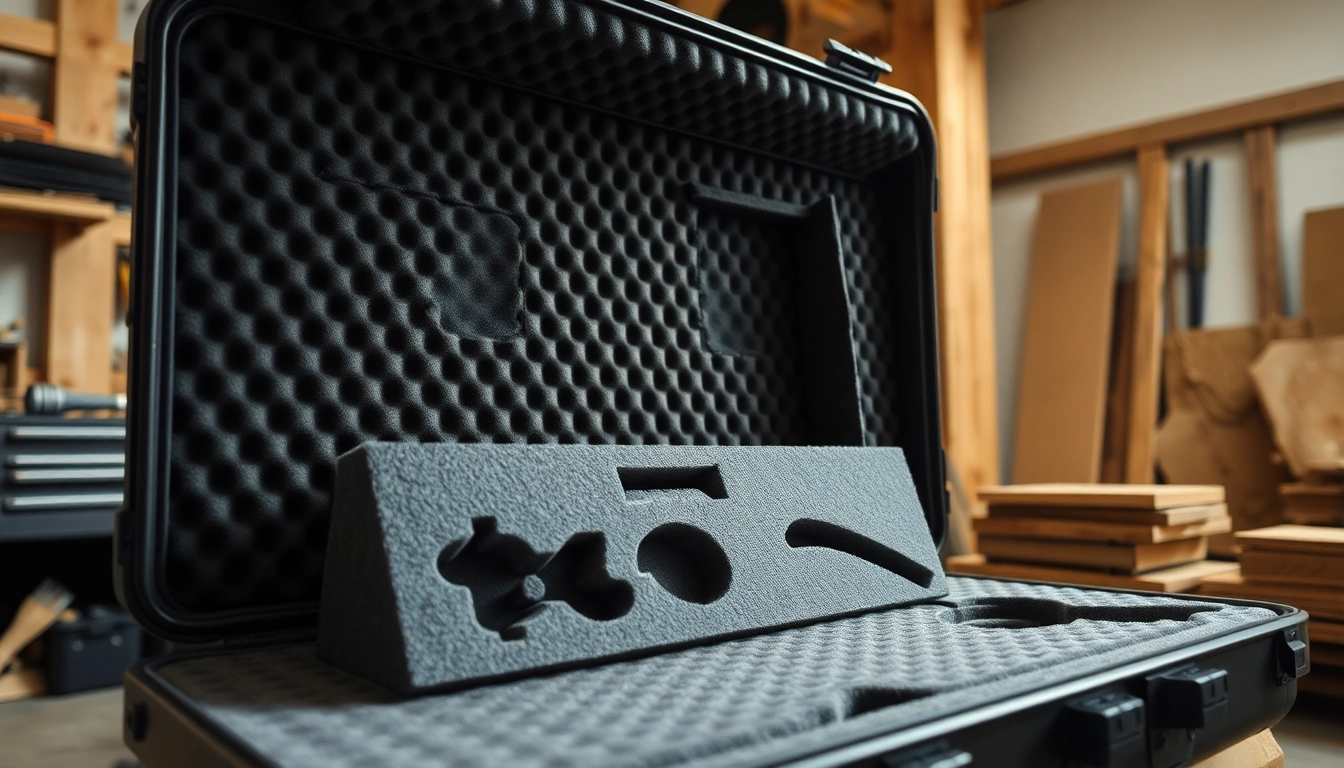
Understanding the Importance of Foam for Rifle Case
When it comes to protecting your firearms, the choice of materials in your rifle case can significantly impact the safety and longevity of your equipment. One crucial component often overlooked is the foam for rifle case. The right foam not only cushions against impact but also maintains the integrity of your rifle during transport and storage.
Why Foam Matters in Firearm Storage
The primary function of foam within a rifle case is to provide protection against physical damage. Firearms are investments, and like any other valuable item, they require safeguarding against bumps, drops, and environmental factors. Foam acts as a buffer zone between your rifle and the hard surfaces of the case, reducing the risk of scratches, dents, and internal damages.
Moreover, high-quality foam can help streamline the organization within the case, allowing you to store various accessories alongside your rifle neatly. This organization is essential not only for ease of access but also for preserving the functionality of your rifle and its components.
Types of Foam for Rifle Cases
There are a variety of foam types available for rifle cases, each offering unique benefits:
- Polyurethane Foam: Known for its softness and exceptional cushioning capabilities, this foam is ideal for absorbing impact. However, it may break down faster compared to other materials.
- Polyethylene Foam: It offers exceptional durability and moisture resistance, making it a popular choice for protecting rifles in diverse environments.
- EVA Foam: Ethylene-vinyl acetate is lightweight yet surprisingly resilient. It provides decent cushioning and is often used for budget-friendly options.
- Custom Foam Inserts: Custom-cut foam provides tailored protection fitting the specific shape and size of your rifle.
The Role of Density in Foam Effectiveness
The density of foam significantly affects its effectiveness in providing protection. Higher-density foams offer more durability and resistance to wear; they are less prone to deformity over time. Conversely, lower-density foams may compress under weight, resulting in inadequate protection.
As a rule of thumb, a density of at least 1.8 lb/ft³ is recommended for rifle cases, as it strikes a balance between cushioning and durability, ensuring your firearm remains safe during transport.
Choosing the Right Foam Material
Comparing Polyurethane and Polyethylene Foam
When selecting foam for your rifle case, understanding the differences between polyurethane and polyethylene foam is essential. Polyurethane foam is softer and offers superior shock absorbency, making it suitable for delicate firearms. However, it is more sensitive to wear over time.
On the other hand, polyethylene foam is firmer and more resilient, making it ideal for long-term storage. It withstands moisture and heat better, ensuring your rifle’s condition remains intact in fluctuating environmental conditions. Ultimately, the selection depends on your usage requirements and storage environment.
Moisture Resistance and Its Importance
Protection from moisture is vital when it comes to firearms. Excess moisture can lead to corrosion, which can severely damage both the external surfaces and internal mechanisms of your rifle. Choosing foam that has moisture-resistant properties can safeguard against potential mildew and rust.
Closed-cell polyethylene foams are particularly effective in this regard, as they do not absorb moisture. Therefore, incorporating foam with these characteristics into your rifle case design is a strategic choice for enthusiasts who store their firearms in various environments.
Impact Absorption Features to Consider
Impact absorption is a crucial feature to consider when choosing foam for rifle cases. The foam should effectively dissipate energy away from the gun during an impact, leading to less stress on the firearm.
Look for foams specifically engineered for shock absorption. Some foams come with additional features like convoluted surfaces or layered designs that enhance their ability to absorb shocks while providing significant protection against vibrations and disturbances during transport.
Customizing Foam for Specific Rifle Shapes
Measuring Your Rifle for Perfect Fit
Customizing the foam in your rifle case begins with accurately measuring your rifle. The dimensions should include not just the total length, but also widths and the shape of any attachments like scopes or bipods. Proper measurements ensure the foam provides a snug fit, preventing movement and potential damage during transit.
Utilizing a measuring tape and a flat surface will help achieve the most precise measurements. Recording each dimension carefully is crucial for achieving the best result in a custom foam fit.
Foam Layering Techniques for Protection
Foam layering involves using different types of foams for optimal protection levels. For instance, combining a thick layer of high-density foam at the base with a softer, more cushioning layer on top can create a protective environment suitable for various firearms.
This technique allows for versatility in storage, as you can adjust the thickness of the cushion based on the firearm’s dimensions and weight. Layering also improves impact absorption, offering extra security against shocks.
Using Inserts and Accessories Effectively
To enhance the protection offered by foam, consider using inserts that match specific accessories like magazines, ammunition, and suppressors. These inserts can help organize the case and prevent accessories from moving around, which could potentially damage the rifle.
Many enthusiasts customize their cases further by adding padded dividers to separate different components securely. This organized approach ensures that each component can be accessed without hassle, contributing to a better overall experience when handling your firearms.
Maintenance of Foam for Rifle Case
Cleaning and Caring for Your Foam
Regular maintenance of your foam is essential to prolong its life and effectiveness. Cleaning should be done with a mild detergent and a damp cloth, avoiding harsh chemicals that can damage the foam material. Allowing the foam to dry completely before repositioning it in the rifle case prevents mildew buildup.
A periodic inspection for dirt, debris, or wear can help catch potential issues before they escalate. Investing time in foam maintenance ensures that it continues to offer the best protection for your rifle.
Signs of Wear and When to Replace Foam
Recognizing when to replace your foam is crucial. Signs of wear include visible compression, cracks, or material shedding. If the foam no longer holds its shape or fails to provide adequate cushioning, it is time for a replacement. Additionally, if you notice persistent odors even after cleaning, consider replacing the foam as these odors can indicate decay.
Enhancing Foam Durability Through Storage Practices
Proper storage practices can significantly enhance the durability of your foam. Avoiding direct sunlight and extreme temperatures helps mitigate degradation from UV exposure and heat. Storing the rifle case in a humidity-controlled environment can prevent moisture buildup and protect both the foam and your firearm.
Additionally, ensuring the case is not excessively packed with other items can help retain the foam’s form and protect it from excessive compression.
Frequently Asked Questions about Foam for Rifle Case
What type of foam is best for a rifle case?
Polyethylene foam is often considered the best due to its durability, moisture resistance, and impact absorption capabilities, making it ideal for long-term firearm protection.
How often should I replace the foam in my rifle case?
Replace foam when signs of wear, like compression or cracking, appear, or if it no longer adequately cushions your firearm during transport and storage.
Can I customize foam on my own?
Yes, you can customize foam by using precision cutting tools to create cut-outs that fit your rifle and its components exactly, ensuring optimal protection.
Does the thickness of foam impact its performance?
Yes, foam thickness affects performance. Thicker foam generally provides more cushioning but must also maintain the necessary density for effective impact absorption.
Are there eco-friendly foams available for rifle cases?
Yes, several eco-friendly foams are available, made from sustainable materials that still offer good protection without compromising on performance or safety.